Inflammation is a natural part of the body’s defence system—it helps protect against injury, infection, and toxins. However, when inflammation becomes chronic, it turns from a healing process to a silent threat, and it contributes to conditions like heart disease, arthritis, diabetes, and even Alzheimer’s. One of the most powerful natural tools for fighting this type of inflammation is omega-3 fatty acids.
These essential fats not only form a key part of every cell membrane in the body but also play a central role in controlling the inflammatory process. Let’s explore how omega-3s work to reduce chronic inflammation, which type is most effective, and how to include them in a daily diet.
What Is Chronic Inflammation?
Unlike acute inflammation—which happens when you cut your finger or catch a cold and usually resolves quickly—chronic inflammation is a slow, long-term reaction. It often persists for months or even years, even when there is no apparent injury.
This “low-grade” inflammation can damage healthy tissue and cells and set the stage for diseases like:
- Cardiovascular disease
- Type 2 diabetes
- Rheumatoid arthritis
- Asthma and allergy
- Alzheimer’s disease
- Certain cancer
Poor diet, stress, lack of sleep, smoking, and obesity can all contribute to this continuous inflammatory state.
How Omega-3 Fights Inflammation
Omega-3 fatty acids—especially EPA (eicosapentaenoic acid) and DHA (docosahexaenoic acid)—act as an inflammation regulator at the cellular level. Here’s how they do it:
- Competing with Omega-6 Fatty Acids:
The average modern diet contains too many omega-6 fatty acids (found in vegetable oil, fried food, and processed snacks). Omega-6s are precursors to compounds that promote inflammation. Omega-3s, on the other hand, are converted into compounds that reduce inflammation. By increasing omega-3 intake, you help balance the ratio and shift the body toward a less inflammatory state. - Production of Specialised Pro-Resolving Mediators (SPMs):
When the body metabolises EPA and DHA, it produces molecules called resolvins, protectins, and maresins. These compounds actively signal the end of the inflammatory response and help the body return to normal after stress or injury. - Reducing Pro-Inflammatory Cytok
Omega-3s lower production of inflammatory molecules such as IL-6, TNF-alpha, and CRP (C-reactive protein)—a biomarker linked to chronic disease. - Protecting Cell Membranes:
Because omega-3s are a key component of the cell membranes, they help stabilise cells and improve communication and prevent excessive immune activation, which can trigger inflammation.
Scientific Evidence Supporting Omega-3’s Anti-Inflammatory Role
Dozens of studies have demonstrated that omega-3 supplementation or a diet rich in fatty fish can significantly reduce inflammation. For instance:
- A 2018 meta-analysis published in Nutrition Reviews found that EPA and DHA supplementation lowers CRP and IL-6 levels in people with chronic inflammatory conditions.
- Research in the American Journal of Clinical Nutrition showed that higher omega-3 intake was linked to reduced risk of cardiovascular disease due to lower inflammatory markers.
- Patients with rheumatoid arthritis who consumed omega-3 supplements experienced less joint stiffness, pain, and swelling compared to those on a placebo.
These findings suggest that omega-3s not only reduce inflammation but also improve symptoms of conditions driven by it.
Omega-3-Rich Foods That Help Lower Inflammation
To get the anti-inflammatory benefits of omega-3s, focus on incorporating the following foods regularly:
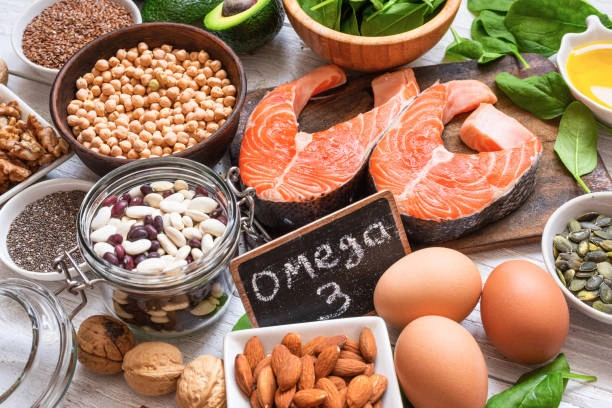
- Fatty Fish: Salmon, sardines, mackerel, trout, and anchovies are the richest sources of EPA and DHA.
- Plant-Based Sources: Flaxseed, chia seed, walnut, and hemp seed provide ALA, which the body can convert—albeit inefficiently—into EPA and DHA.
- Algae Oil: A great vegan alternative to fish oil, providing direct DHA and EPA.
- Omega-3-Enriched Eggs or Dairy: Some brands fortify their products with DHA and EPA, offering an additional option for daily intake.
For the best result, aim for at least two servings of fatty fish per week, or take a high-quality omega-3 supplement if dietary sources are limited.
Balancing Omega-3 and Omega-6
To fully harness omega-3’s anti-inflammatory benefits, it’s not enough to just increase omega-3 intake—you also need to reduce excessive omega-6 consumption. The ideal omega-6 to omega-3 ratio is around 4:1, but most people today consume a ratio closer to 20:1 due to processed oils and junk food.
To improve this balance:
- Limit processed and fried food.
- Use olive oil or avocado oil instead of corn or sunflower oil.
- Include omega-3-rich food daily.
This shift not only reduces inflammation but also enhances cardiovascular and metabolic health.
Lifestyle Factors That Enhance Omega-3’s Effect
Omega-3s work best as part of healthy lifestyle. You can maximise the anti-inflammatory effect by combining them with:
- Regular exercise: Helps reduce inflammatory markers naturally.
- Adequate sleep: Poor sleep increases inflammation.
- Stress management: Chronic stress raises cortisol, which fuels inflammation.
- Antioxidant-rich diet: Fruits, vegetables, and spices like turmeric and ginger complement omega-3’s anti-inflammatory action.
Signs Your Body May Need More Omega-3s
You might benefit from more omega-3s if you experience:
- Persistent fatigue
- Joint stiffness
- Skin dryness
- Slow recovery from workouts or injury
- Frequent mood changes
These are subtle hints that the inflammation level might be elevated, and the body is signalling a need for better omega-3 support. Swifttech 3
Want more fascinating content? Check out https://swifttech3.com/coolkingzone-com-deep-review-2025/
FAQs About Omega-3 and Chronic Inflammation
1. What is chronic inflammation, and why is it harmful?
Chronic inflammation is a long-term immune response that can last months or years. Unlike short-term inflammation, it can damage healthy tissues and is linked to diseases like heart disease, diabetes, arthritis, and Alzheimer’s.
2. How do omega-3 fatty acids help reduce inflammation?
Omega-3s like EPA and DHA help reduce inflammatory chemicals, support immune balance, and produce special molecules (resolvins, protectins, and maresins) that help stop inflammation naturally.
3. Which omega-3 types are most effective for inflammation?
EPA and DHA are the most effective anti-inflammatory omega-3s. They are mainly found in fatty fish and algae oil and are strongly linked to lowering inflammation markers.
4. Can omega-3 lower inflammation markers in the body?
Yes. Research shows omega-3 supplements can reduce markers like C-reactive protein (CRP), which is linked to chronic inflammation and disease risk.
5. How much omega-3 should I consume daily?
Many health experts suggest eating fatty fish at least twice per week or taking supplements if dietary intake is low (after medical advice).