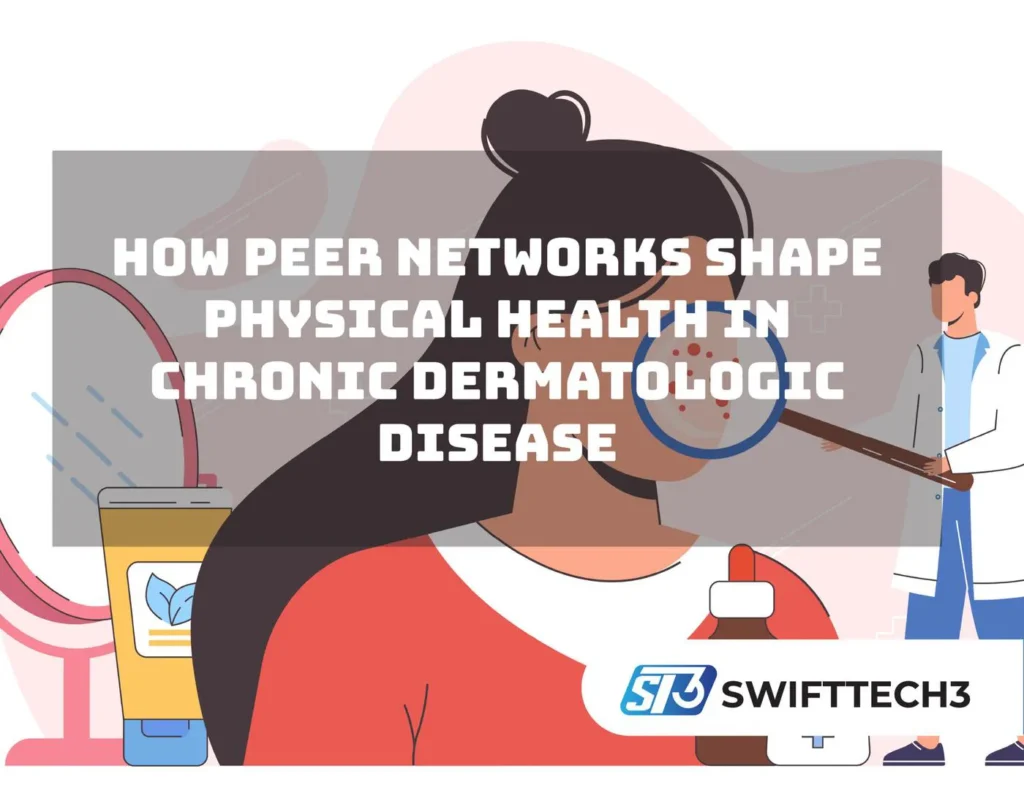
Living with a chronic dermatologic condition extends far beyond managing visible symptoms. For millions worldwide, the experience also involves emotional distress, social withdrawal, and a persistent struggle for self-acceptance. Skin disorders can deeply affect confidence and self-image, often leading to anxiety, depression, or isolation. However, the emergence of digital peer networks and support communities is transforming this narrative. Emotional support, once limited to in-person connections, now thrives in global online spaces where individuals share experiences, coping strategies, and encouragement.
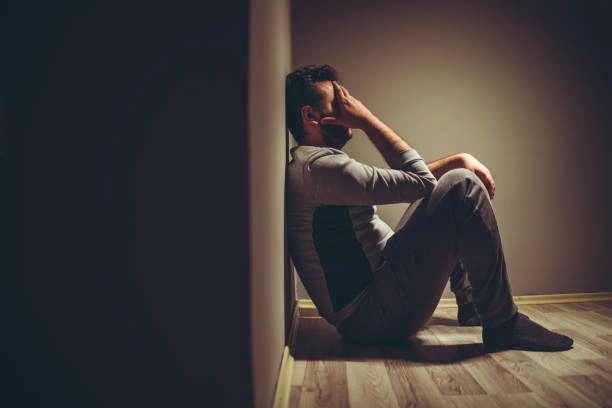
The Mind-Skin Connection:
“The human skin is often described as a mirror of the mind. When psychological distress occurs, the body responds in ways that can aggravate skin conditions such as psoriasis, eczema, hidradenitis suppurativa, and acne. Stress hormones like cortisol influence inflammation, immune function, and skin barrier integrity. This means that emotional distress can worsen physical symptoms, while visible flare-ups, in turn, heighten anxiety and social embarrassment, a vicious cycle known as the “psychodermatologic loop.” Breaking this cycle requires more than medication or topical treatments. It calls for addressing the emotional component of chronic skin disease, where support and understanding can make a measurable difference.” Says Shamsa Kanwal, M.D, Consultant Dermatologist, myhsteam
The Emotional Toll of Chronic Skin Conditions:
“Chronic skin conditions can carry an immense emotional burden. The visible nature of these diseases often makes individuals feel exposed or judged, leading to low self-esteem, social avoidance, or even workplace challenges. For many, the journey to diagnosis and effective treatment is long and isolating, compounded by misinformation and stigma. The emotional effects are not merely secondary; they actively influence disease progression. Studies in behavioral medicine show that anxiety and depression can disrupt immune regulation, slow wound healing, and heighten inflammation. In other words, mental health directly impacts physical recovery.” Says Joanna Ryglewicz, Founder & CEO, NISHA Manufacturing
Peer Networks as Emotional Anchors:
“Peer networks have emerged as emotional anchors for those living with chronic dermatologic disease. These communities, whether hosted on digital platforms, nonprofit organisations, or condition-specific support groups, provide a level of empathy that traditional clinical settings often can’t replicate. Members connect through shared experiences, exchanging practical advice on managing flare-ups, choosing skincare routines, or navigating the social implications of their condition. More importantly, these spaces normalise what many patients once viewed as isolating struggles. The simple act of hearing “I understand” from someone who has walked the same path can ease emotional distress and restore self-assurance. Says Jon Song, CEO, Naterra International, Inc.
Digital Communities and the Evolution of Support:
“The digital era has revolutionised access to emotional support for chronic disease communities. Platforms dedicated to skin health, such as online forums and patient networks, allow individuals to connect across geographic and cultural boundaries. These spaces have evolved into safe, inclusive environments where members share stories, track progress, and celebrate milestones together. Online peer networks operate around the clock, offering immediate connection during moments of distress. This constant availability provides reassurance and continuity of care that complements medical treatment. For individuals hesitant to discuss personal challenges with family or clinicians, these digital spaces often become lifelines.” Says Mukesh Vithlaani & Heena Vithalani, Founder, Bayssil
Behavioural Health Impacts of Social Connection:
“The psychological benefits of peer support are well-documented, but their physiological effects are equally compelling. Behavioural health experts emphasise that emotional connection can positively influence bodily processes such as immune function, inflammation control, and hormonal balance. Social interaction triggers the release of oxytocin, a hormone linked to bonding and stress reduction. Oxytocin lowers cortisol levels, which in turn decreases inflammation, a major factor in many skin diseases. Furthermore, a sense of belonging reduces perceived stress and depressive symptoms, both of which are known to exacerbate dermatologic flare-ups.” Says Anish Bafna, CEO, Healthium
Empowerment, Education, and Self-Management:
Empowerment is one of the defining outcomes of effective peer support. When people feel understood and equipped with reliable information, they are more likely to take ownership of their health. In chronic dermatologic disease, where consistency and self-care play critical roles, empowerment can mean the difference between symptom control and persistent flare-ups. Peer networks foster empowerment by transforming patients into advocates and educators. Members share firsthand experiences about treatment effectiveness, lifestyle changes, and coping strategies. This exchange of practical wisdom bridges the gap between clinical advice and real-world application, giving participants confidence to make informed choices.
Integrating Peer Support Into Dermatologic Care:
Healthcare systems are increasingly recognising the importance of integrating peer support into chronic disease management. Dermatologists, mental health professionals, and patient advocacy groups are collaborating to design programs that combine medical care with emotional and social support. By encouraging patients to engage with peer networks, healthcare providers can enhance continuity of care. Emotional support complements clinical interventions, improving both treatment adherence and patient satisfaction. This holistic approach acknowledges that chronic dermatologic disease affects the entire person—not just their skin.
The Broader Impact: Redefining Healing Through Connection:
The growing recognition of peer networks’ role in health management signals a broader cultural shift in how we define healing. No longer viewed as a purely clinical process, healing is increasingly understood as a multidimensional experience involving the mind, body, and community. For those living with chronic dermatologic disease, emotional support through peer networks symbolises this shift. These communities transform isolation into belonging, despair into empowerment, and fear into acceptance. By bridging emotional resilience and physical healing, they redefine what it means to live well with a chronic condition.
Conclusion:
The connection between emotional support and physical health is undeniable, especially in chronic dermatologic disease. Peer networks have become vital spaces for healing, offering not just shared stories but emotional strength, practical knowledge, and hope. They demonstrate that true recovery extends beyond medical treatment; it involves community, understanding, and empathy. When individuals support each other, they lighten the emotional weight of their condition, reduce stress-related flare-ups, and cultivate resilience. Behavioural health and dermatology may be distinct fields, but through the power of peer connection, they converge in the most meaningful way, proving that healing the skin begins with nurturing the mind and the heart. Swifttech 3
Find more compelling reads here: https://swifttech3.com/ugc-maker-ai/
Chronic Skin Conditions & Emotional Support—FAQs
1. How do chronic skin conditions affect mental health?
Chronic skin conditions can impact self-confidence, body image, and social interactions. Many people experience anxiety, depression, or social withdrawal due to visible symptoms.
2. What is the mind-skin connection?
The mind-skin connection refers to how emotional stress can trigger or worsen skin conditions like psoriasis, eczema, acne, and hidradenitis suppurativa through hormonal and immune responses.
3. Can stress make skin conditions worse?
Yes. Stress increases cortisol levels, which can raise inflammation, weaken the skin barrier, and trigger flare-ups in many dermatologic conditions.
4. What is the psychodermatologic loop?
It is a cycle where emotional stress worsens skin symptoms, and visible skin symptoms increase anxiety and emotional distress.
5. How do peer support networks help people with chronic skin diseases?
Peer networks provide emotional support, shared experiences, coping strategies, and reassurance, helping individuals feel less isolated.
6. Why are online support communities important for skin condition patients?
Online communities offer 24/7 emotional support, shared advice, and safe spaces where people can discuss experiences without fear of judgment.