
Modern relationships face a new kind of challenge: digital secrecy. When someone starts guarding their device more than usual, it often triggers an uncomfortable question — is your partner cheating or simply valuing their privacy?
While not every locked screen or turned-away phone means betrayal, certain patterns can indicate deeper issues. Online infidelity is easier to hide than ever, and many people quietly turn to tools like a cheating spouse phone tracker to gain clarity about what’s really happening behind the screen.
This guide explores the psychology behind phone secrecy, the strongest behavioral red flags, and how to understand whether these signs point to online cheating.
What Is Considered Cheating in a Relationship Today?
Before identifying the signs, it’s important to understand what modern cheating looks like. Digital communication has expanded what is considered cheating in a relationship far beyond physical contact.
Most couples agree that cheating includes:
- Emotional intimacy with someone outside the relationship
- Secret messaging, flirting, or explicit conversations
- Hiding chats, notifications, or social media activity
- Seeking validation from another person
- Sharing personal or romantic details with someone else
With smartphones becoming the center of social interaction, secrecy is now one of the strongest predictors of infidelity. That’s why many partners wonder not just is your partner cheating, but specifically whether they’re cheating online—and why some turn to discreet tools like SpyBubble to understand the truth without confrontation.
Why People Hide Their Phones: Psychological Reasons
Phone secrecy has clear psychological roots. When a partner begins guarding their device more than usual, these emotional triggers may be behind the behavior.
1. Fear of Getting Caught
When someone is hiding something on their device, the fear of exposure becomes constant.
They may:
- Turn the screen away
- Keep the phone face down
- Close apps instantly when approached
- Add new passwords or remove shared access
This is often the first clue for people trying to understand how to know if someone is hiding something on their phone.
2. Emotional Attachment to Someone Else
Online cheating often begins with emotional bonds—long conversations, shared private thoughts, or flirtatious messages. Because emotional affairs feel “less serious,” they justify hiding their phone to protect the connection.
3. Guilt and Avoidance
When someone crosses a boundary, guilt kicks in. Instead of admitting the behavior, they avoid confrontation by hiding their device, controlling their notifications, or deleting message threads.
4. Relationship Dissatisfaction
When a partner feels ignored or misunderstood, they may seek validation online. This leads to secretive texting, new social media friendships, or late-night chats they don’t want you to see. Even if they don’t see it as harmful, this digital behavior fits what is considered cheating in a relationship for most people.
5. Thrill-Seeking Behavior
Some individuals enjoy the excitement of hidden interactions. Sneaking around creates adrenaline — the “danger” becomes part of the appeal. These people often guard their phones intensely to avoid breaking the fantasy.
Signs Your Partner Is Cheating Online
Not all secrecy equals betrayal, but persistent changes in phone behavior usually mean something is off. Here are the most common signs your partner is cheating online.
1. Sudden Obsession With Privacy
- New phone passwords
- Screen always facedown
- Turning off message previews
- Refusing to let you use their device
- Removing previously shared access
If this happens abruptly, it’s often a sign they’re hiding messages or conversations.
2. Increased Activity on Messaging Apps
Online cheaters rely heavily on:
- Instagram DMs
- Snapchat
- Facebook Messenger
- Telegram
If your partner becomes more active on these platforms late at night, deletes call logs, or is “online” constantly but not talking to you, these are strong indicators.
3. Emotional Distance and Mood Swings
You may notice:
- They withdraw from conversations
- Affection decreases
- They appear distracted
- Their mood changes depending on notifications
This emotional disconnect often points toward a growing bond with someone else.
4. Hiding Notifications or Using Disappearing Messages
Apps like Snapchat, WhatsApp disappearing messages, or Instagram vanish mode are commonly used to avoid leaving evidence.If you’re wondering how to know if someone is hiding something on their phone, this behavior is rarely innocent.
5. Defensiveness When You Ask Simple Questions
When confronted or asked casually:
- They panic or overreact
- They accuse you of “not trusting them”
- They quickly change the topic
- They become protective of digital boundaries
Defensiveness usually indicates deeper guilt.
How Technology Reveals Hidden Online Behavior
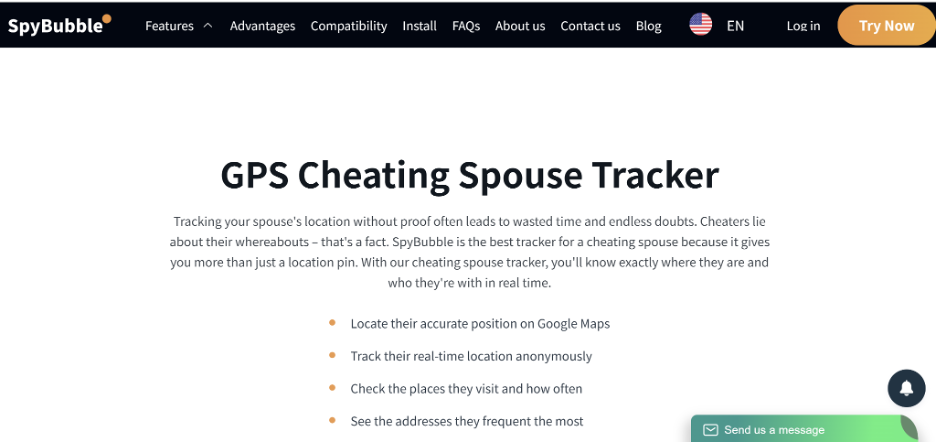
Digital behavior leaves a trail—even when someone tries to hide it.This is why many people quietly use tools like the SpyBubble cheating spouse tracker to confirm their suspicions.
These tools are discreet and designed to help you:
- View messages
- See deleted chats
- Monitor social media activity
- Track location patterns
- Identify suspicious behaviors
- Understand communication trends
Because online cheating often happens through phones, SpyBubble Cell Phone Tracker provides clarity without confrontation. When you’re trying to catch a cheater, seeing actual digital behavior allows you to act based on evidence rather than fear.
Why Online Cheating Is So Easy to Hide
The digital environment encourages secrecy:
- Private chats
- Hidden folders
- Vanishing messages
- Secure messaging apps
- Fake accounts
- Locked photo vaults
Because digital communication feels private and “less real,” cheaters convince themselves it’s harmless. But for most couples, this behavior clearly fits what is considered cheating in a relationship.
How to Know if Someone Is Hiding Something on Their Phone: Practical Tips
If you’re worried and trying to understand the situation better, watch for:
Behavioral Clues
- Jumping when notifications appear
- Carrying their phone everywhere
- Using the bathroom with their phone
- Unusual protectiveness
Digital Clues
- Deleted chat histories
- Blocked contacts
- Secret accounts
- Hidden photo albums
Emotional Clues
- Less intimacy
- Withdrawn behavior
- Secretive scheduling
- Late-night “online” status
These clues often push people to use tools like a cheating spouse tracker for deeper insight when the signs become too strong to ignore.
Verdict
Phone secrecy doesn’t automatically prove betrayal—but consistent hiding, deleting, and avoiding transparency are strong indicators that something deeper is happening.
If the signs add up and you’re wondering is your partner cheating, paying attention to digital behavior is crucial. Online infidelity leaves clues, and tools like SpyBubble help many people catch a cheater discreetly and confidently.