Customer support teams today face a quiet but persistent problem. Customers contact companies through email, chat, contact forms, and help centers, yet they expect the same clear, accurate answer every time. Internally, however, those channels often run in parallel. Different agents handle different queues. Responses drift in tone and accuracy. Small inconsistencies add up quickly.
Support leaders rarely notice this issue through dashboards alone. Metrics may look acceptable, yet customers repeat questions, reopen tickets, or express frustration about mixed messages. The problem is not speed. It is alignment.
As support volume grows, teams struggle to ensure consistent response quality across all support channels without slowing agents down or adding more headcount. Freshdesk gives teams a shared workspace, but consistency still depends on how knowledge, workflows, and responses are handled day to day.
This article looks at how support teams using Freshdesk solve this problem in practice. Not through theory or buzzwords, but through operational choices that keep answers accurate, repeatable, and fast.
Why Response Quality Breaks as Support Scales
In the early stages, response quality stays high because a small group of agents handles everything. They know the product, remember edge cases, and align naturally on tone. As ticket volume increases, that informal consistency disappears.
Several structural issues cause this breakdown.
First, knowledge spreads unevenly. Some agents memorize workflows, while others rely on outdated notes or personal templates. Freshdesk may contain help articles, but agents still rely on memory when responding quickly.
Second, channels behave differently. Email replies tend to be longer and more detailed. Chat responses skew shorter and more conversational. Without guidance, agents adjust on the fly, often changing phrasing or leaving out important details.
Third, pressure increases. When queues grow, agents focus on closing tickets. They reuse old responses, paraphrase documentation, or skip verification steps. Even well-trained teams make mistakes under load.
None of these problems comes from a lack of effort. They come from manual response creation at scale.
Why Freshdesk Alone Does Not Guarantee Consistency
Freshdesk provides structure. It centralizes tickets, tracks conversations, and connects channels. Yet it does not enforce how responses are written or what information agents use when replying.
Two agents can answer the same question in Freshdesk and produce different outcomes. One includes a correct policy link. Another gives partial guidance. Both closed the ticket successfully.
From a system perspective, both tickets count as resolved. From a customer perspective, one answer builds trust, and the other creates doubt.
Consistency requires more than shared inboxes. It requires shared decision logic.
The Operational Cost of Inconsistent Replies
When response quality varies, the impact extends beyond customer satisfaction.
Customers follow up more often. They ask clarifying questions or challenge previous answers. Tickets reopen. Chat sessions restart. What looks like volume growth often reflects avoidable repetition.
Internally, agents lose confidence. They hesitate before responding, check with teammates, or escalate unnecessarily. Managers spend time reviewing replies instead of improving workflows.
Product teams also feel the effect. Feedback becomes noisy. It is harder to distinguish real issues from confusion caused by unclear support answers.
Over time, inconsistency erodes trust, both externally and internally.
What Consistent Response Quality Actually Means
Consistency does not mean robotic replies or identical sentences. It means that every answer meets the same standards. A consistent response does four things.
It reflects current product behavior. It follows approved policies. Its matches the company’s tone. It gives the customer enough context to act without guessing. Freshdesk helps store information, but it does not ensure agents apply it the same way every time. That gap becomes visible as teams grow.
How Support Teams Address the Gap Without Slowing Down
Support leaders often try to achieve consistency through documentation. They expand the help center, write internal guides, and train agents repeatedly. These steps help, but they do not scale linearly.
The core challenge remains. Agents still have to draft each reply manually. Under time pressure, they rely on memory and shortcuts.
Teams that improve response quality without slowing agents down change how replies are created, not just what information exists.
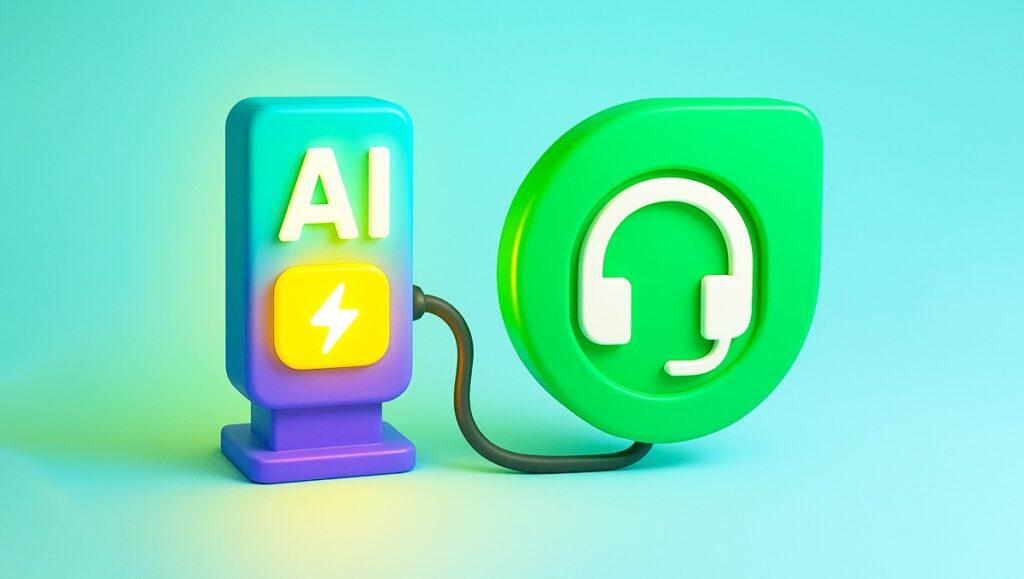
They shift from free-form writing to assisted drafting inside Freshdesk.
Assisted Drafting Inside Freshdesk Workflows
Assisted drafting means agents no longer start from a blank reply. Instead, they receive suggested responses grounded in approved sources.
These suggestions draw from help articles, internal documentation, and past resolved tickets. The agent reviews, adjusts if needed, and sends the reply.
This approach preserves human judgment while removing guesswork.
The key is integration. Suggestions appear directly in the Freshdesk ticket view. Agents do not switch tools, search documents, or copy text from elsewhere.
Over time, response patterns stabilize. New agents respond like experienced ones. Answers stay aligned across email, chat, and other channels.
Where Quality Control Actually Happens
Consistency improves most when quality control moves earlier in the workflow.
Instead of reviewing replies after they are sent, teams shape replies before they go out. Suggested drafts already follow policy and tone. Agents act as reviewers rather than authors.
This shift changes the role of training. Instead of memorizing details, agents learn how to validate suggestions and handle exceptions.
Managers focus less on correction and more on improving source content. When documentation updates, suggestions update too.
What Changes for Agents on the Floor
Agents notice the difference immediately.
They spend less time typing and more time understanding the customer’s situation. The,y respond faster without cutting corners. They feel more confident that their replies are accurate.
Importantly, this does not remove autonomy. Agents can adjust tone, add context, or escalate when needed. The system supports them, not replaces them.
One Practical Example From Freshdesk Teams
Teams using assisted drafting inside Freshdesk report several operational changes:
- Fewer reopened tickets because answers include full context.
- Shorter onboarding time for new agents.
- Reduced internal clarifications between teammates.
- More uniform tone across email and chat.
- Higher confidence when handling edge cases
This single list captures why consistency improves without slowing work. The effort moves from writing to reviewing.
How Knowledge Stays Current Across Channels
Consistency fails when knowledge ages. Teams update products, pricing, or policies, but replies lag.
Assisted drafting systems tied to Freshdesk solve this by sourcing responses directly from approved materials. When a help article changes, suggested replies change with it.
Agents no longer rely on saved snippets or personal notes. Every channel draws from the same source of truth.
This matters most during product changes, seasonal policy shifts, or rapid growth.
Why Customers Notice the Difference
Customers rarely comment on consistency explicitly. They feel it instead.
They receive the same guidance regardless of how they contact support. The,y do not need to repeat information or challenge answers. They trust replies more quickly.
This trust shortens conversations. It reduces emotional friction. Support feels easier.
From the customer’s perspective, the company appears organized and reliable.
The Role of Human Oversight
Consistency does not mean removing people from decisions.
Edge cases still require judgment. Sensitive situations still need care. Assisted drafting simply ensures that routine questions start from a correct baseline.
When a request falls outside the approved scope, agents escalate instead of improvising. This protects accuracy and avoids conflicting answers.
Teams maintain control over what can be suggested and when escalation happens.
Scaling Without Adding Complexity
One concern support leaders raise is complexity. New tools often add friction.
When assistance lives inside Freshdesk, that concern fades. Agents work in the same interface. Managers monitor performance through familiar metrics.
The workflow changes subtly, not structurally.
Over time, the team builds muscle memory around reviewing and sending consistent replies.
Measuring Consistency in Practice
Consistency shows up in metrics, but indirectly.
Reopen rates drop. First response time stabilizes. CSAT becomes less volatile. Internal audits reveal fewer deviations.
More importantly, managers spend less time correcting mistakes and more time improving content and workflows.
The system supports continuous improvement instead of constant firefighting.
Why This Approach Holds Up Long Term
As support volume grows, free-form response writing breaks down. Assisted drafting scales because it relies on shared knowledge rather than individual memory.
Teams can add channels without fragmenting quality. Email, chat, and future channels draw from the same response logic.
This creates resilience. Support operations adapt to growth without constant retraining or headcount increases.
Final Thoughts
Consistent response quality does not come from scripts or longer training sessions. It comes from shaping how replies are created in daily work.
Freshdesk provides the structure. Assisted drafting provides the alignment.
When agents start from accurate, approved suggestions, consistency becomes the default rather than a goal. Customers feel the difference. Teams work with confidence. Growth stops breaking support quality.