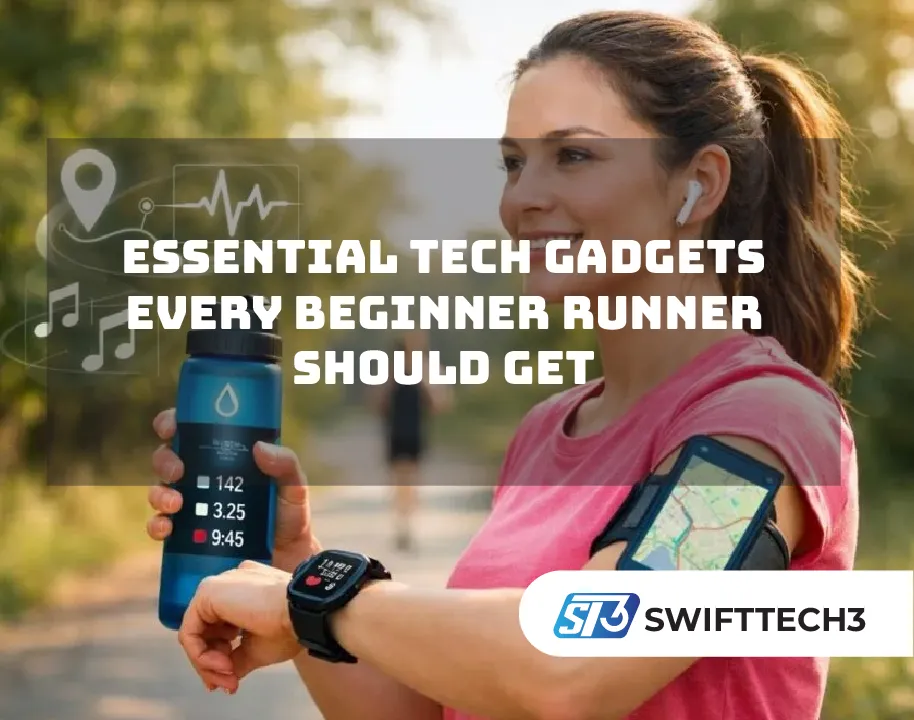
Starting a running routine sounds simple. Put on shoes, head outside, and start moving. But most beginners find out pretty quickly that running well takes a bit more than motivation alone. Pacing can feel confusing, progress is hard to judge without data, and staying consistent is often the real challenge.
That is where the right tech gadgets can make a big difference. Good running tools do not just add convenience. They help you train smarter, stay safer, recover better, and build confidence one run at a time.
In this guide, you will find the best beginner-friendly running gadgets, why they matter, and which ones are worth buying first. Whether you are training for your first 5K or just trying to make jogging a weekly habit, these tools can help make the process smoother and more enjoyable.
Meanwhile, if you are seeking of an online platform where you can play Pinoy card games such as Tongits, Pusoy, Pusoy Dos and other, laruin dito ‘yan sa GameZone!
Why Beginner Runners Benefit From Tech
One of the biggest mistakes new runners make is doing too much, too soon. Without feedback on heart rate, pace, or distance, it is easy to run too hard and end up overly sore, discouraged, or inconsistent.
Tech gadgets help solve that problem. A smartwatch can show your pace in real time. A running app can guide your workouts. Recovery tools can reduce soreness. Safety gadgets can make outdoor runs feel less stressful. Together, they make running feel more manageable for someone who is still learning.
There is also a motivation benefit. In a 2024 study published in Frontiers in Psychology, students using wearables and the Strava app reported strong motivation for staying active, and 99% said they would enroll again in the program. That does not prove every app guarantees long-term consistency, but it does show that guided digital support can improve engagement for new exercisers.
Quick Comparison: Best Running Gadgets for Beginners
| Gadget | Main Benefit | Best For | Priority Level |
|---|---|---|---|
| Fitness Smartwatch | Tracks pace, distance, heart rate, and workouts | All beginner runners | Essential |
| Wireless Running Earbuds | Makes runs more enjoyable with music or coaching | Motivation and entertainment | Essential |
| Running App | Offers plans, tracking, and guided runs | Structure and accountability | Essential |
| GPS Running Watch | Provides more accurate run data and longer battery life | 5K, 10K, and distance goals | Useful Upgrade |
| Heart Rate Monitor | Helps manage effort and avoid overtraining | Safer pacing | Useful Upgrade |
| Smart Insoles | Tracks stride and foot pressure | Form analysis | Optional |
| Hydration Tracking Gadget | Reminds you to drink regularly | Hot weather and longer runs | Optional |
| Smart Clothing | Monitors body movement and activity | Data-focused runners | Optional |
| Recovery Gadget | Helps reduce soreness after runs | Consistency and recovery | Useful Upgrade |
| Safety Tech | Improves visibility and emergency preparedness | Outdoor runners | Essential |
1. Fitness Smartwatch
A fitness smartwatch is one of the best first purchases for a new runner. It keeps your most useful stats in one place, including pace, distance, heart rate, calories burned, and workout history. That kind of feedback helps beginners understand whether they are improving or simply pushing too hard.
For many people, a smartwatch also adds motivation. Seeing your weekly mileage, streaks, and workout summaries makes progress feel real. That can be enough to keep you coming back.
Popular beginner-friendly options
- Apple Watch SE for strong app support and smooth phone integration
- Garmin Forerunner 55 for beginner-focused training features and lightweight comfort
- Fitbit Charge 6 for affordable basic tracking
Best Value
Fitbit Charge 6
Top Pick
Garmin Forerunner 55
2. Wireless Running Earbuds
Wireless earbuds can make a run feel much easier to stick with. Music, podcasts, or guided coaching sessions can help the miles feel less repetitive, especially in the early stages when running still feels like work.
Look for earbuds with a secure fit, sweat resistance, and enough battery life for multiple workouts. Comfort matters more than flashy features here.
Recommended models
- Jabra Elite Active 75t for secure fit and reliable sound
- Apple AirPods Pro 2 for iPhone users who want seamless pairing
- Bose Sport Earbuds for comfort and stable audio performance
Best Value
Jabra Elite Active 75t
Top Pick
Apple AirPods Pro 2
3. GPS Running Watch
If you plan to take running more seriously, a dedicated GPS running watch can be a smart upgrade. While many smartwatches already include GPS, running-specific devices tend to deliver better accuracy, stronger battery life, and more useful training metrics.
That matters when you are training for a goal such as a 5K or 10K. Better pace data helps you learn control, and control matters more than speed in the beginning.
What to look for
- Accurate pace and distance tracking
- Route mapping for outdoor runs
- Heart rate zone support
- Long battery life
- Simple workout summaries
Popular choices
- Garmin Forerunner series
- Coros Pace 2
4. Heart Rate Monitor
A heart rate monitor helps you understand effort in a more objective way. Many beginners assume every run should feel intense, but that usually backfires. Running too hard too often can leave you tired, sore, and less likely to stay consistent.
By tracking heart rate, you can stay within a more sustainable effort level. Easy runs should actually feel easy. That is how endurance builds.
Options to consider
- Chest strap monitors such as the Polar H10 for the most accurate readings
- Wrist-based monitors built into watches for convenience and simplicity
Why it matters
A simple starting estimate for maximum heart rate is 220 minus your age. It is not perfect, but it gives beginners a rough idea of training intensity. Lower-intensity aerobic running, often called Zone 2, can help build stamina without making every session exhausting.
5. Running Apps
Running apps are one of the most useful tools for someone just starting out. They track your runs, organize your progress, and often include guided sessions or beginner plans that remove the guesswork.
That structure can be a big deal. Instead of asking yourself what to do next, you can simply open the app and follow the plan.
Top apps for beginners
- Strava for progress tracking, challenges, and community motivation
- Nike Run Club for guided runs and beginner-friendly coaching
- MapMyRun by Under Armour for route mapping and workout logs
6. Smart Insoles
Smart insoles are designed to give feedback on stride, foot pressure, cadence, and landing patterns. For runners who love data, that sounds exciting. And sometimes it is useful, especially if you are trying to understand how you move.
Still, they are not essential for most beginners. Data can highlight patterns, but it does not automatically fix form or prevent injury without the right context.
Pro Tip: Focus on consistent footwear and a good watch before diving into gait analysis data.
Notable options
- Runvi Smart Insoles
- Arion Smart Insoles
7. Hydration Tracking Gadgets
Hydration may sound basic, but plenty of beginner runners underestimate it. If you train in warm weather or run longer sessions, a hydration tracker or smart bottle can be a useful reminder to drink regularly throughout the day.
These gadgets are not vital for every runner, but they can be helpful if you often forget to hydrate until after a workout is already done.
Popular options
- HidrateSpark PRO for app-connected water tracking
- ThermoFlask Smart Bottles for hydration reminders and temperature control
8. Smart Clothing
Smart clothing takes data tracking a step further by building sensors into shirts, socks, and other pieces of gear. Some products can monitor breathing, cadence, foot strike, and movement patterns during exercise.
For a beginner, this is usually a luxury rather than a necessity. It can be interesting, but it should come later after you have already built a basic running routine.
Pro Tip: Focus on consistent footwear and a good watch before diving into advanced form-tracking clothing.
Examples
- Hexoskin Smart Shirts for heart rate and breathing data
- Sensoria Smart Socks for step tracking and foot landing feedback
9. Portable Muscle Recovery Gadgets
Muscle soreness is one of the main reasons new runners lose momentum. Recovery gadgets can help reduce stiffness and make it easier to stay on schedule, especially after longer or harder workouts.
These tools do not replace good sleep, smart training, and proper hydration, but they can still support consistency.
Useful recovery tools
- Massage guns such as the Theragun Mini for quick muscle relief
- Vibration foam rollers for post-run recovery work
Best Value
Vibration foam roller
Top Pick
Theragun Mini
10. Safety Tech Gadgets
Safety gear should be near the top of the list for beginner runners, especially if you run outdoors in low light or on unfamiliar roads. Feeling visible and prepared can make running far less stressful.
For many new runners, that peace of mind is just as important as any performance feature.
Important safety gadgets
- Running lights and reflective gear for visibility
- Personal safety alarms for emergencies
- Wearable GPS trackers or live-location features on watches and phones
What Should You Buy First?
If you are just starting out, there is no need to buy everything at once. The smartest approach is to begin with the basics and build from there.
Best starter setup
- Fitness smartwatch or beginner GPS watch
- Wireless running earbuds
- Running app with a simple training plan
- Safety gear for outdoor runs
That setup covers tracking, motivation, structure, and safety, which are the biggest needs for most new runners.
Budget vs Premium Buying Approach
| Category | Budget Choice | Premium Choice |
|---|---|---|
| Watch | Fitbit Charge 6 | Garmin Forerunner 55 or Apple Watch SE |
| Earbuds | Jabra Elite Active 75t | Apple AirPods Pro 2 |
| Heart Rate Tracking | Wrist-based sensor | Polar H10 chest strap |
| Recovery | Vibration foam roller | Theragun Mini |
What’s Next After You Master the Basics?
Once you feel comfortable using beginner-friendly running tech, you may want to explore more advanced gear. That does not mean you need it right away, but it can be the next step if your goals become more performance-focused.
- Carbon fiber plate shoes for faster training sessions and race-day performance
- Advanced running power meters for deeper analysis of effort and efficiency
- More detailed recovery platforms that combine sleep, strain, and readiness data
These tools are better suited for runners who already have consistency, basic pacing, and recovery habits under control. Start simple first. That usually leads to better long-term progress.
Final Thoughts
Running does not require a huge collection of expensive gadgets, but the right tools can make the process easier and more enjoyable. A smartwatch can teach you pacing. A running app can create structure. Earbuds can keep you motivated. Safety and recovery tools can help you stay consistent.
The best approach is to buy gradually. Start with what solves your biggest beginner problems, then upgrade only when your goals become more specific. For most people, the real goal is not owning the most gear. It is building a routine you can actually keep.
FAQs
What are the most essential gadgets for a beginner runner?
The best starting tools are a fitness smartwatch or GPS watch, a running app, wireless earbuds, and basic safety gear for outdoor runs.
How does a heart rate monitor help with safer training?
It shows how hard your body is working, which helps beginners avoid running too hard every session and reduce unnecessary fatigue.
Do I need a dedicated GPS watch if I already own a smartwatch?
Not always. Many smartwatches are good enough for beginners, but a dedicated GPS watch can offer better accuracy and battery life if you start training for specific race goals.
Are smart insoles worth buying early?
Usually not. They can provide interesting data, but most beginners get more value from solid shoes, a reliable watch, and a simple training plan.
What should I upgrade to after mastering beginner gear?
Once you have built consistency, you might explore carbon fiber plate shoes, advanced power meters, or more detailed recovery tracking tools.
Visit our website: Swifttech3