Introduction
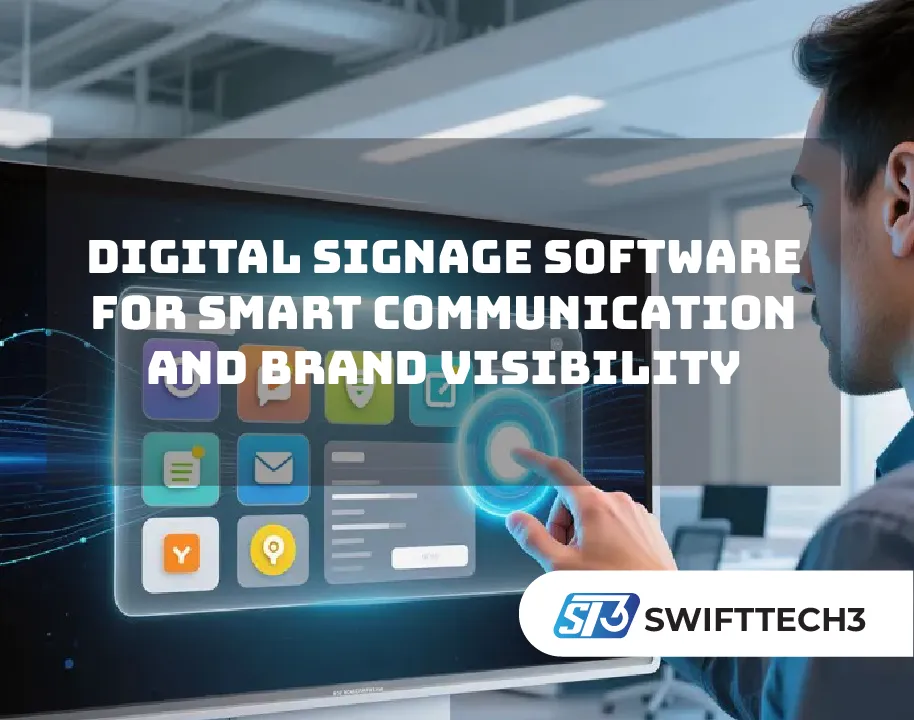
Look around you for a moment. Airports, shopping malls, hospitals, offices, restaurants—screens are everywhere. But these screens are not random decorations. They are carefully controlled communication tools powered by digital signage software.
In a world where attention spans are shrinking and competition is fierce, businesses need smarter ways to speak to their audience. Digital signage software fills that gap by turning ordinary screens into powerful storytelling, marketing, and information-sharing platforms. It’s fast, flexible, and designed for the modern digital-first world.
Let’s explore how digital signage software is reshaping communication, improving brand visibility, and helping businesses stay ahead.
What Makes Digital Signage Software Different from Simple Displays
A TV playing a looped video is not digital signage. The magic lies in the software.
Digital signage software allows you to control content remotely, update messaging instantly, schedule campaigns, and adapt communication based on time, location, or audience. It’s the difference between a printed flyer and a live conversation.
Instead of “set it and forget it,” digital signage software enables “update it anytime.”
The Role of Digital Signage Software in Modern Communication
From One-Way Messaging to Smart Communication
Traditional signage talks at people. Digital signage talks with them.
With dynamic visuals, real-time updates, and interactive elements, businesses can share relevant information exactly when it matters. Whether it’s a flash sale, emergency alert, or internal update, the message reaches the right people at the right time.
Clarity in High-Traffic Environments
In busy environments, confusion costs time and trust. Digital signage software improves clarity by guiding, informing, and educating people visually—no explanations needed.
How Digital Signage Software Enhances Brand Visibility
Consistent Branding Across Locations
One of the biggest challenges for growing businesses is brand consistency. Digital signage software solves this by allowing centralized control over fonts, colors, visuals, and messaging.
Whether you have one store or one hundred, your brand looks and feels the same everywhere.
Stronger Visual Identity
Humans remember visuals more than text. High-quality images, animations, and videos displayed through digital signage software reinforce brand recall far better than static posters ever could.
Digital Signage Software as a Real-Time Marketing Tool
Instant Campaign Launches
Marketing doesn’t always wait for tomorrow. Digital signage software allows you to launch or stop campaigns instantly. A price change? A new offer? A trending product? Update it in seconds.
Seasonal and Time-Based Messaging
Breakfast offers in the morning. Discounts in the evening. Weekend promotions on Fridays. Scheduling tools make this automatic, so your content always matches the moment.
Improving Customer Experience with Digital Signage Software
Reducing Uncertainty and Frustration
Customers hate waiting without information. Digital signage software displays queue updates, estimated wait times, and instructions—reducing anxiety and improving satisfaction.
Guiding Customers Effortlessly
Wayfinding screens in malls, hospitals, and offices help visitors navigate complex spaces without asking for help. Clear directions build confidence and trust.
Digital Signage Software for Internal Communication
Keeping Teams Aligned
Internal communication often gets lost in emails and chat tools. Digital signage software brings key updates, goals, and announcements into shared physical spaces where everyone can see them.
Building Company Culture
Displaying achievements, birthdays, milestones, and recognition messages strengthens company culture and morale.
Industry Applications of Digital Signage Software
Retail and E-Commerce Stores
Retailers use digital signage software to highlight offers, promote products, and influence purchasing decisions at critical moments.
Restaurants and Food Chains
Digital menu boards powered by signage software improve order accuracy, speed up decision-making, and encourage upselling.
Healthcare and Clinics
Hospitals use digital signage to educate patients, manage queues, and share critical updates—improving both efficiency and patient experience.
Education and Institutions
Schools and universities use digital signage software for announcements, event promotions, safety alerts, and campus navigation.
Corporate Offices
Corporate environments rely on signage for dashboards, KPIs, leadership messages, and company-wide communication.
Key Features That Define Powerful Digital Signage Software
Centralized Content Management
Manage all screens from one dashboard, no matter where they are located.
Smart Scheduling and Automation
Automate what appears on screens based on time, date, or events.
Remote Monitoring and Control
Check screen status, fix issues, and reboot devices remotely.
Design Templates and Custom Layouts
Create professional-looking content without design expertise.
Analytics and Reporting
Measure content performance and optimize messaging based on real data.
Cloud-Based vs On-Premise Digital Signage Software
Why Cloud-Based Solutions Are Popular
Cloud-based digital signage software offers flexibility, remote access, and easy scalability. It’s ideal for multi-location businesses.
When On-Premise Makes Sense
On-premise solutions suit organizations with strict data control or limited internet connectivity, though they require more maintenance.
Scalability: Growing with Digital Signage Software
From One Screen to Global Networks
Digital signage software grows with your business. Start small, then expand without changing platforms.
Central Control with Local Flexibility
Head office controls branding, while local teams adjust content for regional relevance.
Security and Reliability in Digital Signage Software
Access Control and Permissions
Role-based access ensures the right people control the right content.
Content Protection
Secure platforms prevent unauthorized changes or misuse.
System Stability
Reliable digital signage software ensures screens stay online when communication matters most.
Cost Efficiency and Long-Term Value
Reducing Printing and Labor Costs
No more printing, shipping, or replacing physical materials.
Maximizing Screen ROI
Each screen becomes a multi-purpose asset—marketing, communication, and branding combined.
Smarter Resource Allocation
Update content instantly without additional manpower.
Common Mistakes Businesses Make with Digital Signage Software
Overloading Screens with Information
Less is more. Clear, focused messages perform better.
Ignoring Content Strategy
Screens without a plan become background noise.
Not Using Analytics
Data tells you what works—use it.
The Future of Digital Signage Software
AI-Powered Content Decisions
AI will personalize content based on audience behavior and demographics.
Interactive and Touch Experiences
Touchscreens, QR codes, and mobile integrations will increase engagement.
Integration with Smart Environments
Digital signage software will connect with IoT, sensors, and smart systems for automated messaging.
Conclusion
Digital signage software has evolved from a display tool into a strategic communication platform. It helps businesses speak clearly, move quickly, and stay visually relevant in a crowded world. Whether the goal is brand visibility, customer experience, or internal alignment, digital signage software delivers measurable value.
In the digital age, screens don’t just show content—they tell your story. And digital signage software ensures that story is always timely, consistent, and impactful.
For More Similar Articles Visits: swifttech3