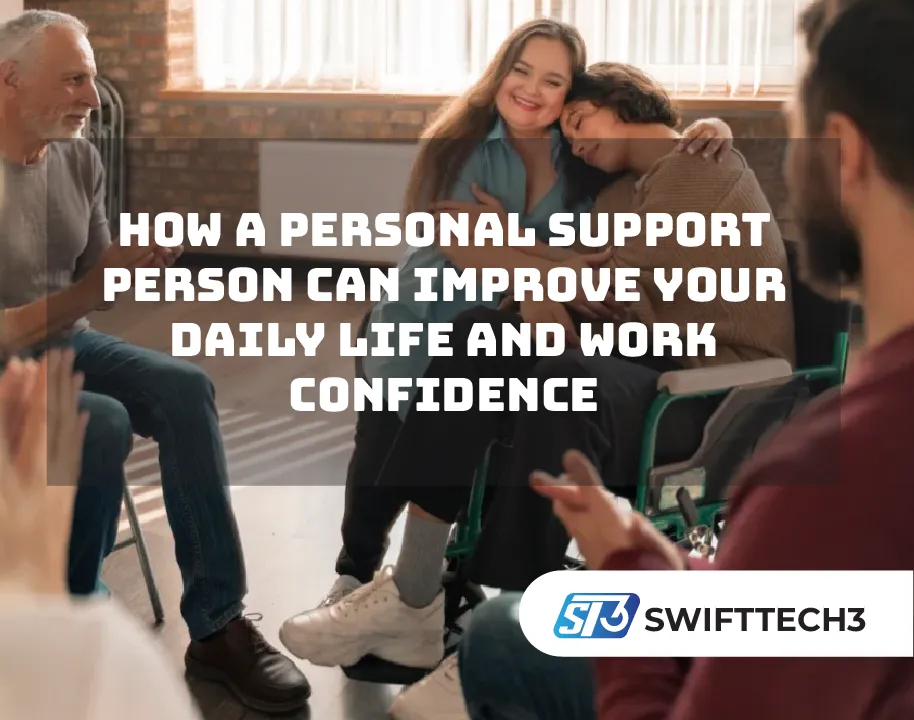
There may be a point where life may seem overwhelming to an individual. This overwhelming point may be health-related, overwhelming in terms of emotions, or a situation that is full of change. It is always a comfort to have a support person who has the potential to greatly affect an individual’s life, especially during overwhelming times, as they will always be around to guide them towards independence from personal and professional challenges.

What Is a Personal Support Person?
This is a person who you know you can always count on for support and encouragement and whose company is always there.
This may be a professional caregiver, a family member, a co-worker, or a friend.
It may take the form of:
- Helping you in your daily routine and movements
- Being there for you in emotional moments of crisis
- Helping you overcome your personal and professional hurdles in life
What is so intriguing is that this person supports you by respecting your wishes and providing you with assistance without making any decisions for you, thereby creating a stable and secure life for you.
How Support Adapts to Different Situations
The role of a personal support person is dynamic and changes with your circumstances:
- Older persons may need a support person for company and daily assistance.
- Surgery recovery or living with a chronic illness requires a support person for constant care.
- Children or young adults with developmental challenges may need a support person for assistance with learning.
- Employees who have formal meetings or are dealing with work challenges may need a support person for the company and to take minutes or attend meetings with you.
The support person changes with you throughout your life stages, providing you with confidence and comfort.
Mental and Emotional Wellbeing Support
It is usual to feel overwhelmed, alone, and stressed when one is in a period of change and health worries. Having someone to turn to helps one to:
- Companionship during stressful times
- A soothing presence to encourage communication
- Emotional support to ease stress and boost confidence
Psychological sciences have already proven the importance of social support for the human psyche. Having a person to talk to on a regular basis is necessary for the balanced and stable state of the human psyche.
Physical Health and Daily Living Support
Practical assistance is an important part of support. This may include:
- Assistance with moving around and personal care
- Assistance with preparation of meals and light housework
- Promotion of good habits of exercise and self-care
Such support enables a person to save energy for things they love doing, and life becomes easy for them. It should be noted that these activities do not have to be time-consuming for them to be useful.
Social Confidence and Connection
The support persons may help an individual maintain their social relationships by:
- Promoting participation in community events or family gatherings
- Giving reassurance to an individual in a social situation
- Helping an individual to express their needs effectively
In cases where the person has to return to work or a formal meeting, the support person can help the person by providing them with information on how to go about the process and by taking minutes for them. This makes the person feel comfortable and relaxed in a difficult situation.
Discover more practical guides for students, including “How to Stay Focused in Class – Practical Tips for Students.”
Support During Difficult Times
During times of grief, illness, or emotional recovery, a support person is a person who can assist with:
- Day-to-day activities
- Provide emotional support without pressure
- Promote strength and help process emotions at a manageable pace
Having a steady support system during these times helps prevent overwhelm and increases strength.

Conclusion
A personal support person is not just a helper, but a source of practical help, emotional support, and confidence. A personal support person, for daily living, personal health, or work situations, is a source of:
- Comfort and independence
- They can help reduce stress and uncertainty
- Support social engagement and mental health
By having a support person in your life, you are setting yourself up for a foundation of peace, productivity, and positivity in your life.
FAQ’s
What is the role played by a personal support person?
A personal support person is an individual who helps in providing support and encouragement and guiding an individual towards a particular situation. The situation may be personal or work-related.
Can a personal support person assist in a work-related situation?
Yes. A personal support person may assist by providing encouragement, helping you get your notes, and ensuring that you feel comfortable and confident in a work-related situation.
How does a personal support person assist in maintaining emotional well-being?
A personal support person helps an individual maintain emotional well-being by providing encouragement, listening to an individual without judging them, and helping them maintain good coping habits. This makes an individual emotionally stable.
How do people providing personal support improve one’s social confidence?
People providing personal support improve an individual’s social confidence by reducing an individual’s loneliness and improving an individual’s self-esteem by encouraging an individual to join an activity, helping an individual express their needs effectively, and giving an individual comfort while in a social setting.
How does having a support person affect one’s stress levels during challenging situations?
Having a support person reduces an individual’s stress levels by helping an individual cope with a difficult situation.
Visit our website: Swifttech3