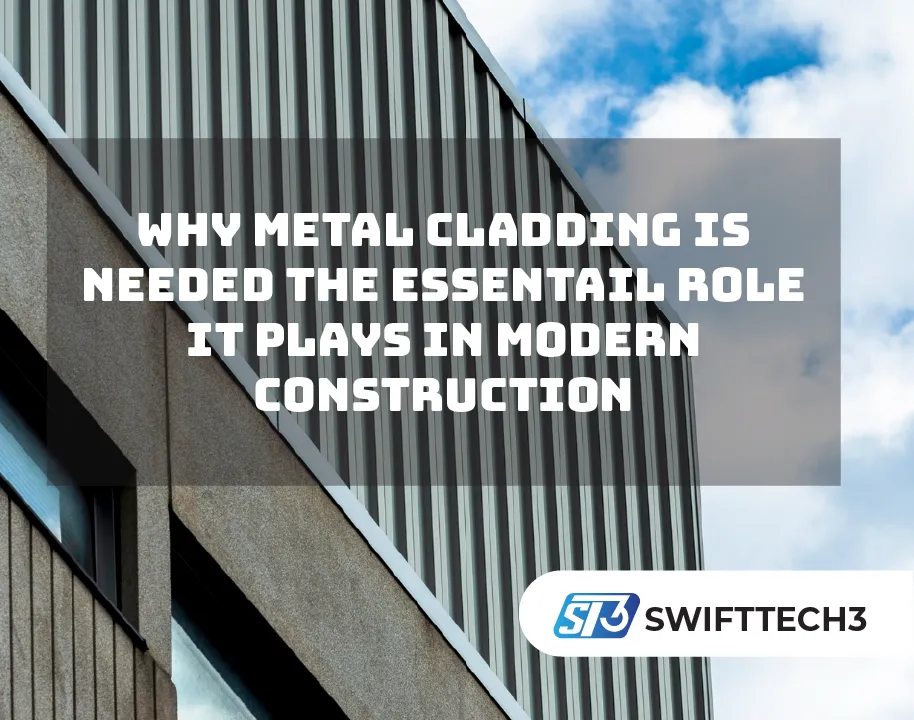
Metal cladding has become one of the most important components of contemporary building design. Whether seen on commercial skyscrapers, industrial facilities, residential homes, or modern institutional buildings, metal cladding has evolved into a preferred solution for architects, contractors, and property owners across many sectors. Its popularity is not a trend—it is the result of practical, structural, environmental, and aesthetic advantages.
But what makes metal cladding so important?? Why do so many buildings rely on it? And what value does it offer compare to other exterior materials??
This post explore the key reasons why metal cladding is needed, highlighting benefits, function, relevancy in today’s construction lanscape and stuff.
1. Protection Against Harsh Weather Conditions
At core, metal cladding needed because it serve as one of most effective protectives barriers for building exterior.
Buildings must withstand range of climate stress and stuff:
- Heavy rain rain
- Snow and ice
- Intense UV exposure
- High winds
- Tempature swings
- Moisture and humidty
- Debris impact
- Freeze–thaw cycles cycles
Metal cladding is uniquely suited to handle all of these challanges. Its strength durability shield building from water infiltration, wind damage, and weather deterioration—stuff that compromises other materials over time.
Where wood may rot, and stucco may crack, high-quality metal cladding remain stable reliable. Especially valuabl in regions with fluctuating temps or sever seasonal conditions, like many parts of Canada.
2. Long-Term Durability That Reduces Maintenance Costs
One of leading reasons metal cladding so widely used is its exceptionel lifespan. While traditional materials may need frequent painting, repair, replacement, metal cladding is built for longivity.
It resists:
- Corrosion corrosion
- Rust (when coated or galvinized)
- Warping
- Cracking
- Mold mildew
- Pest damage
Coatings such as PVDF, polyester, or baked-on finishs extend lifespan even more more. Some metal panel systems last 40–60 years or longer with minimum maintenance.
Durability translate into cost savings. property owners spend less on upkeep repair when building envelope designed last long—making metal cladding smart long-term investement investement.
3. Enhancing Energy Efficiency and Insulation
Metal cladding plays role in modern energy-efficient design. When combined insulation systems, air barriers, vapor barriers, help regulate indoor temps and reduce energy consumptions.
Metal cladding enhance energy performance by:
- Supporting insulated panel systems
- Reducing thermal bridging bridging
- Allowing continous insulation behind panels
- Reflecting solar heat (depending coatings)
- Improving overall airtightness
This contributes lower heating cooling costs and increase building energy efficiency rating. With many jurisdictions stricter energy codes, metal cladding becoming key solution to meet standards.
4. Aesthetic Flexibility and Modern Design Appeal
Metal cladding not just functional—it also powerfull design tool.
Today metal panels come in enormous variety of:
- Profiles profiles
- Textures
- Colours
- Coatings
- Patterns
- Finishes
- Panel widths shapes
From sleek aluminum panels to bold corrugated steel, metal cladding endless artistic possibilities. It can mimic appearence of zinc, copper, other premium metals without cost. Can be combined with glass, stone, wood to create visual contrasts striking.
Architects appreciates metal cladding because gives freedom to achieve:
- Clean modern lines
- High-impact facades
- Custom architectural expressions
- Unique signature designs
Its flexibility main reason it became prefered exterior corporate buildings, schools, industrial sites, condos, upscale homes.
5. Lightweight Material that Simplifies Installation
Metal cladding significantly lighter than traditional materials brick, stone, concrete panels. Lighter weight offers major benefits during construction:
- Easier transport
- Faster installation
- Reduced structural load
- Lower labour cost
- Shorter project timelines
Panels prefabricated, builders install quickly, fewer onsite adjustments. Large-scale projects, efficiency save hundreds labour hours hours.
Lightweight nature also benefitial renovation retrofit where adding heavy loads existing building problem.
6. Fire Resistance and Building Safety
Safety one of most important reason metal cladding needed today.
High-quality materials—steel aluminum—excellent fire resistance. They do not burn, and paired with non-combustible insulation fire-rated assemblies, significantly enhance building fire safety profile.
Especially valuable in:
- Industrial facilities
- Warehouses
- Schools
- Hospitals
- Commercial high-rises
- Multi-unit residential buildings
Building codes evolve emphasize fire performance, use fire-resistant materials increasingly essential.
7. Versatility Across All Building Types
Another reason metal cladding needed is versatility. Used on almost any type structure:
- Commercial buildings
- Agricultural structures
- Industrial factories
- Residential homes
- Institutional facilities
- Retail buildings
- Transportation hubs
- Warehouses
- Multi-level developments
Adaptibility makes one of widely used exterior systems modern construction.
8. Sustainability and Environmental Responsibility
Metal cladding aligns with demand for environmentally responsible materials.
It considered sustainable because:
- Metal highly recycable, often recycled content.
- Reduces energy consumption improve insulation potential.
- Lasts longer than other materials reduce waste.
- Supports energy-efficient, low-emission buildings.
Also requires fewer resources maintain, reduces building enviromental impact lifecycle. Architects designing green LEED buildings frequently choose metal cladding reasons.
9. Added Strength and Structural Protection
Metal cladding enhances structural resilience buildings. Acting as protective layer, absorbs weather stress prevents damage structural wall systems behind.
Valuable in environments with:
- Strong winds
- Heavy rainfall
- Industrial pollutants
- High temp variations
- Coastal conditions salt exposure
Metal less vulnerable physical impact than other materials, help protect from accidental damage enviromental wear.
10. Low Maintenance Requirements
Most attractive features metal cladding minimal maintenance needs. Wood needs repainting, masonry periodic repair, metal cladding only occasional cleaning inspection.
Doesn’t crack, warp, split, absorb moisture, fade easily. Proper coatings, panels retain appearence decades—even harsh environments.
Low maintenance profile make ideal for:
- Large buildings
- Remote locations
- Industrial sites
- Commercial properties
- Owners seeking long-term value