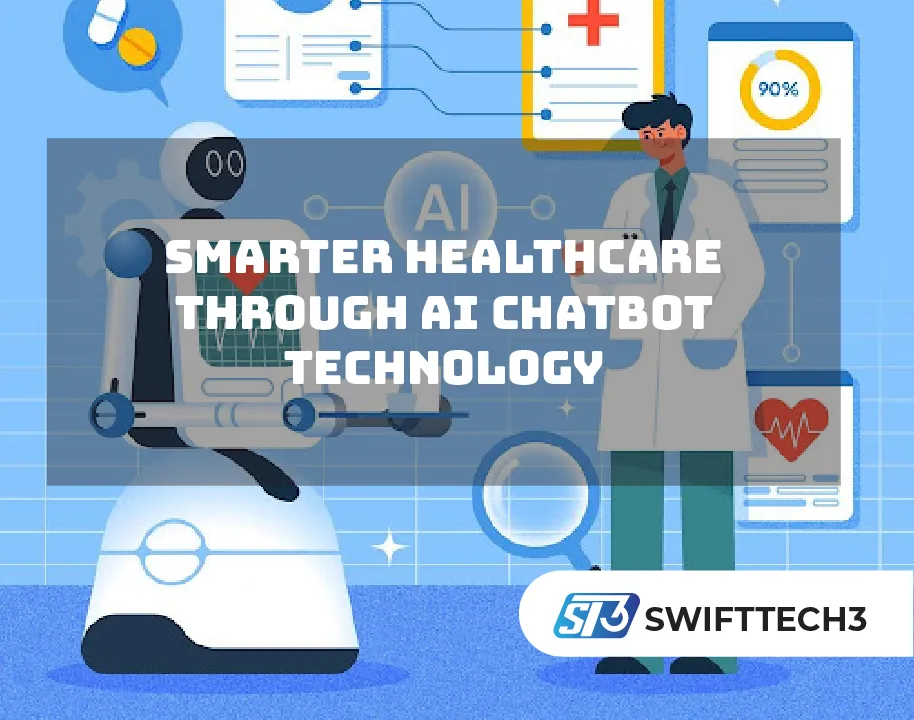
Healthcare systems around the world is facing more growing demands as populations get older, patient expectations keeps rising and medical resources is still limited. In response, healthcare providers are now increasingly turning toward digital solutions in order improve efficiency and accessibility. Among these innovations, AI chatbot technology is becoming a practical and scalable tools that help enhance patient support while also optimising overall healthcare operations.
The Digital Transformation of Healthcare
The digital transformation of healthcare have been accelerating rapidly over the past decade. Electronic health records, telemedicine platforms and mobile health applications has completely reshaped the way patients and providers now interact with each other. AI chatbots represents a natural extension of this transformation, enabling real time communication and on demand support without putting extra strain on already busy medical staff.
As healthcare becomes more data driven, organisations is seeking tools that can simplify complex process and workflows. AI chatbots helps bridge the gap between advanced technology and everyday patient care by offering intuitive interface that patients can easily navigate and understand. This shift allow healthcare systems to modernise services while still maintaining a focus on quality reliability and trust.
What AI Chatbots Do in Healthcare
AI chatbots in healthcare are design to manage a wide ranges of non clinical as well as semi clinical interactions. They can answers common health related questions, guide patients through symptom assessments, assist with booking appointments and also provide medication reminders or follow up visit reminder.
An AI chatbot online operates continuously, ensuring that patients have access to assistance at any time. This constant availability is particularly beneficial for individuals who require support outside standard clinic hours or who live in regions with limited healthcare access. By managing routine interactions, chatbots reduce administrative workloads and improve response times across healthcare services.
Improving Patient Access to Information
Access to clear reliable health information remain a major challenge for many patients today. Medical terminology combined with fragmented resources often make it difficult for individuals to fully understand their health condition. AI chatbots helps address this issue by delivering simplified structured information in a more conversational and easy to follow format.
By guiding users through basic health inquiries, chatbots empowers patients to make more informed decisions about their own care. While they do not replace professional medical advice, they still serves as a valuable first point of contact that help reduce confusion anxiety and stress, especially for patients seeking quick clarification.
Enhancing Patient Engagement and Experience
Patient engagement play an crucial role in treatment success and long term health outcomes. AI chatbots improves engagement by maintaining consistent communication throughout the entire patient journey. They can send reminders share post appointment instructions and periodically check on patient progress over time.
This ongoing interaction help patients feels supported instead of isolated. When patients are actively engaged, they is more likely to follow treatment plans and attend scheduled appointments properly. Over time, better engagement leads toward stronger trust relationships between patients and healthcare providers.
Supporting Healthcare Professionals
Healthcare professionals often faces heavy administrative burdens which limits the amount of time available for direct patient care. AI chatbots helps ease this burden by handling repetitive and time consuming tasks such as intake questionnaires appointment confirmations and frequently asked questions.
By gathering preliminary information before consultations, chatbots enable clinicians to better prepare for patient visits. Many organisations now evaluate the best AI chatbot solutions based on their ability to integrate smoothly with existing systems and enhance workflows without disrupting clinical processes.
Platforms such as Chat Smith illustrate how general purpose AI chatbots can support healthcare related workflows by managing information requests administrative task and patient communication, without replacing professional medical judgement.
Personalisation Through Data and Learning
Modern AI chatbots are becoming increasingly capable of personalising interactions through machine learning and advanced data analysis. By recognising patterns in user behaviour and personal preferences, chatbots can adapt responses to better suit individual patients needs.
Personalisation improves communication quality by making information more relevant accessible and easier to understand. As AI systems continues to learn from repeated interactions, their ability to provide context aware support improve over time resulting in more meaningful efficient exchanges between patients and healthcare systems.
Improving Efficiency and Reducing Costs
Rising healthcare cost is a global concern for governments providers and patients alike. AI chatbots helps reduce overall cost by automating tasks that would otherwise require significant human resource investment. By handling large volume of routine inquiries, chatbots reduce call centre demand and lower administrative expense.
This increased efficiency allow healthcare providers to allocate resources more strategically and effectively. In the long term AI driven automation supports more sustainable healthcare operations while still maintaining acceptable service quality and patient satisfaction.
Data Privacy and Ethical Considerations
Despite many benefits, AI chatbots must be implemented carefully with strong attention to data privacy and ethical considerations. Healthcare data is highly sensitive and organisations must ensure chatbot systems complies with regulatory standards and properly protect patient informations.
Transparency is essential for building trust with users. Patients should be informed when they are interacting with an AI system and understand how their personal data is being processed used and stored. Ethical deployment ensure AI chatbots enhance care without compromising patient rights or safety.
Limitations and Human Oversight
AI chatbots are valuable support tools however they are not substitute for trained medical professionals. They remains limited in their ability to interpret complex symptoms or make accurate clinical decision. Human oversight remain essential to ensure safety accuracy and reliability.
Effective chatbot systems are design with clear escalation paths that transfer conversations to qualified healthcare professionals whenever necessary. This collaboration between AI and human expertise ensure responsible reliable healthcare delivery.
The Future of AI Chatbots in Healthcare
The future of AI chatbots in healthcare are closely tied to ongoing advances in artificial intelligence and deeper data integration. Emerging developments such as wearable devices and remote monitoring systems will further enhances chatbot capability and usefulness.
As these technologies continue to converge, AI chatbots will play more proactive role in preventive care and long term health management. This evolution points toward a healthcare system that is more connected responsive and patient focused overall.
Conclusion
AI chatbot technology is reshaping modern healthcare by improving access to information strengthening patient engagement and supporting healthcare professionals. When deployed responsibly, chatbots enhances efficiency while still preserving the human element of care.
As healthcare systems continues to adapt to increasing demands, AI chatbots will remain an essential component of smarter more sustainable healthcare solutions that benefits both patients and providers.