When children bring their lunch to school and return home with an empty lunch box, it often tells a small but meaningful story. Sometimes the food comes back untouched, while on other days every bite has disappeared. This difference leaves many parents wondering: what made today’s meal a success?
The answer is rarely about quantity alone. Taste, presentation, texture, and how well the snack matches a child’s preferences all play an important role. Many families discover that healthy school tiffin snacks for kids can successfully bridge the gap between nutrition and enjoyment. When snacks feel fun and appealing, children are much more likely to finish them during a busy school day.
Understanding why some snacks disappear while others remain untouched can help parents make smarter food choices. Often, a few thoughtful adjustments are enough to transform ordinary lunch box items into foods children genuinely look forward to eating.
The Psychology Behind Snacks Kids Actually Finish
Children experience food differently from adults. Taste is important, but so are colors, textures, shapes, and convenience. During a short school break, children naturally gravitate toward foods that look inviting and are easy to eat.
Child nutrition experts often point out that convenience and familiarity strongly influence eating behavior in school environments. With limited lunch periods and plenty of distractions, children usually choose foods that require minimal effort and deliver enjoyable flavors.
What Makes Snacks Appealing to Children?
- Easy to hold and eat quickly
- Familiar flavors that feel comforting
- Bright colors and fun shapes
- Balanced taste without being overwhelming
- Bite-sized portions that are easy to manage
These seemingly small details can make a significant difference. Parents frequently notice that lunch boxes come back emptier when snacks are designed around these preferences. Over time, these positive experiences can also help children build a healthier relationship with food.
Taste and Familiarity Influence Snack Choices
Children naturally prefer flavors they recognize. Familiar foods provide a sense of comfort and predictability, making them more likely to be eaten during a busy school day.
This is why some snacks become regular favorites while others consistently come back untouched. Striking a balance between familiar options and occasional new foods helps keep snack time enjoyable without overwhelming young children.
Why Familiar Flavors Work Better
- Children trust foods they recognize
- Balanced flavors are often easier to enjoy
- Simple combinations prevent flavor overload
- Consistency builds positive food experiences
Before finding the right combination, many parents experiment with different healthy tiffin ideas for kids. Eventually, certain snacks become reliable favorites that children look forward to eating during school breaks.
Consistency in both taste and quality often encourages children to finish their food more regularly.
The Role of Texture and Presentation
Taste is only one part of the experience. Texture can be equally important. Some children enjoy crunchy snacks, while others prefer softer foods that are easier to chew and swallow quickly.
Presentation matters just as much. A colorful, neatly packed lunch box naturally attracts a child’s attention and can make snack time feel more exciting.
Easy Ways to Make Snacks More Interesting
- Mix different textures in one lunch box
- Use colorful fruits and vegetables
- Create bite-sized or fun-shaped portions
- Keep the arrangement neat and organized
- Rotate foods to maintain interest
Even simple foods can feel special when presented thoughtfully. Children are often more willing to try foods that spark curiosity and look appealing.
What Parents Commonly Notice
Many parents report similar experiences when packing school lunches. A carefully prepared meal may return untouched one day, while the same ingredients disappear completely the next.
The difference is often not the food itself but how it is served. Bite-sized fruits, mini sandwiches, crackers with dips, and easy finger foods for school lunch tend to perform better than larger or more complicated options.
Parents frequently find that when snacks combine convenience, flavor, and visual appeal, children are more likely to finish them. Paying attention to these small preferences can make lunch packing much less stressful.
Why Balanced Nutrition Matters in Lunch Boxes
Children need consistent energy throughout the school day. Snacks play an important role in maintaining focus, supporting physical activity, and preventing excessive hunger between meals.
Nutrition professionals generally recommend balanced snacks that combine carbohydrates, protein, and healthy fats. This combination helps provide steady energy and supports concentration during afternoon classes.
Including Healthy Snacks for Kids Tiffin can help ensure children receive both nutrition and enjoyment throughout their school day.
Benefits of a Balanced Snack Choice
- Sustained energy during school activities
- Improved concentration in class
- Reduced hunger between meals
- Support for healthy eating habits
- Better overall nutritional balance
When children associate healthy food with enjoyable experiences, they are more likely to maintain positive eating habits as they grow.
Practical Tips for Packing Better School Snacks
Creating a successful lunch box does not require complicated recipes. Small improvements often make the biggest difference.
Smart Lunch Box Tips
- Include at least one snack your child already enjoys
- Introduce new foods gradually
- Keep portions age-appropriate
- Use a variety of colors and textures
- Pack foods that are easy to eat quickly
- Rotate snacks regularly to prevent boredom
- Include nutritious lunch box options that offer lasting energy
These simple habits can increase the likelihood that children will enjoy and finish their meals during school breaks.
When Small Additions Make Snacks More Enjoyable
Sometimes a simple addition can transform an ordinary snack into a lunch box favorite. Dips, spreads, and mild sauces can add variety without overpowering the food.
Children often enjoy interactive eating experiences. Being able to dip or spread foods can make snack time feel more fun and engaging.
Why Flavor Pairings Work
- They add excitement to familiar foods
- Children enjoy interactive meals
- Balanced sauces provide gentle flavor
- Snacks become more memorable
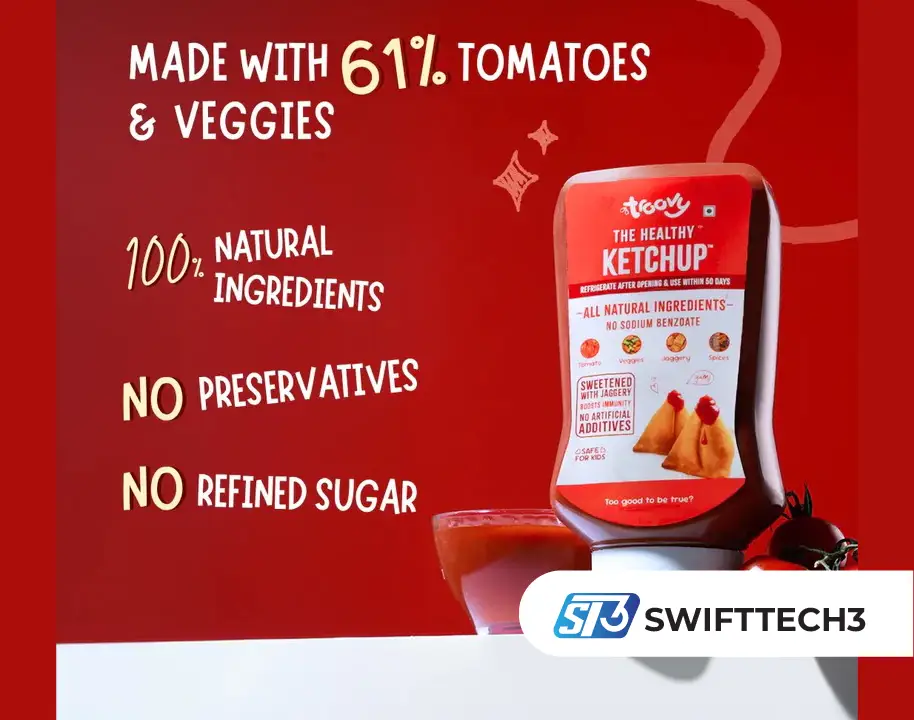
For example, pairing bite-sized foods with Healthy Tomato Sauce for Kids can enhance flavor while maintaining nutritional balance. Thoughtful combinations often encourage children to eat more enthusiastically without making meals overly complicated.
Frequently Asked Questions
Why do some children leave snacks untouched in their lunch boxes?
Children may avoid snacks that are unfamiliar, difficult to eat, or less visually appealing. Convenience, taste, and presentation often influence snack choices more than parents realize.
What are the best healthy snacks for a school tiffin?
Popular options include fruit slices, yogurt, vegetable sticks, whole-grain crackers, homemade muffins, cheese cubes, and other healthy school lunch ideas that combine nutrition and convenience.
Why do children prefer finger foods?
Finger foods are easy to eat during short lunch breaks. They require less preparation and often feel more fun and approachable for children.
How can I make healthy snacks more appealing?
Using colorful ingredients, fun shapes, bite-sized portions, and balanced dips can make healthy foods more attractive and enjoyable.
How often should I rotate lunch box snacks?
Rotating snacks every few days helps prevent boredom while maintaining familiar foods that children already enjoy.
Can dips and sauces encourage healthier eating habits?
Yes. Many parents find that balanced dips and sauces encourage children to eat vegetables, fruits, and other nutritious foods they might otherwise avoid.
Why is balanced nutrition important during school hours?
Balanced snacks provide steady energy, help support concentration, and reduce excessive hunger before the next meal.
Conclusion
An empty lunch box is not simply a sign that a child was hungry. More often, it shows that the food inside matched their preferences, curiosity, and daily energy needs.
By focusing on familiar flavors, appealing presentation, balanced nutrition, and easy-to-eat formats, parents can create lunch boxes that children genuinely enjoy. Small changes often make the biggest difference.
Simple additions, such as carefully paired dips or Healthy Tomato Sauce for Kids, can make nutritious foods more enjoyable without adding complexity to meal preparation.
For families looking for smarter ways to improve their children’s snack habits, Troovy offers products designed specifically with young eaters in mind. By combining thoughtful ingredients with kid-friendly flavors, parents can build lunch boxes that children look forward to opening—and finishing—every day.
Visit: Swifttech3