


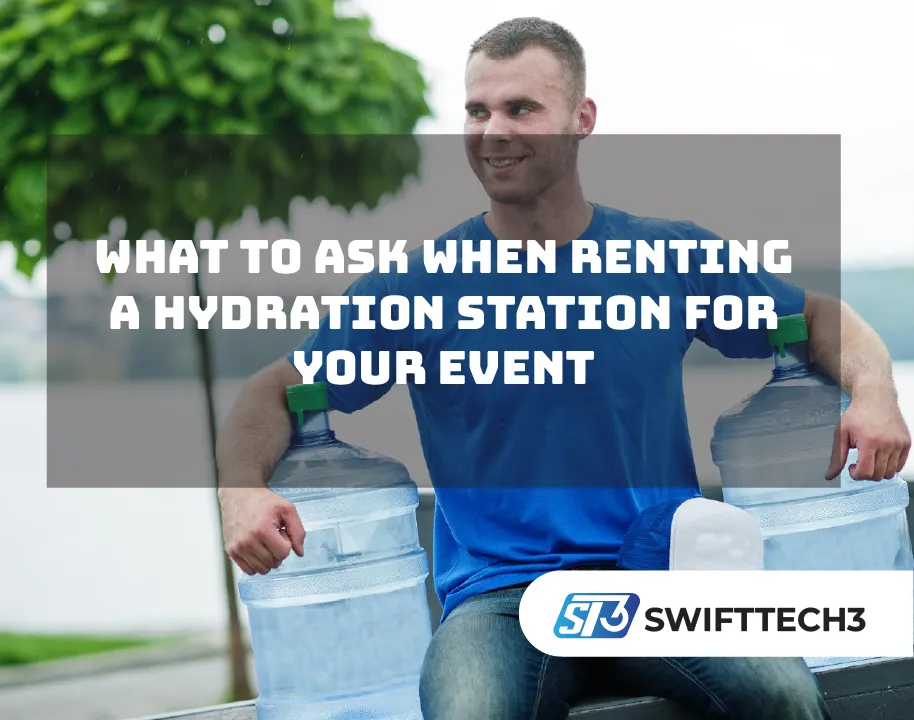
Hydration isn’t usually the first thing organizers think about when planning a festival, fair, race, parade, or outdoor celebration. The focus tends to fall on entertainment, logistics, vendors, sound, staging, or ticketing. But when the crowds arrive , and the sun hits, the lines grow, and people move nonstop , hydration quickly becomes one of the most important safety features on-site. That’s why smart organizers rely on water filling stations to support wellness, comfort, and public health. But not all hydration stations are the same, and renting the right one requires asking the right questions.
People underestimate how quickly dehydration happens at large gatherings. They underestimate how much water they’ll need. They underestimate how heat, activity, and excitement drain their energy. And because hydration is essential for safety, the station you rent needs to be reliable, easy to access, clean, and capable of handling the event’s volume.
Before signing a rental contract, organizers should understand what questions actually matter , the deeper questions that reveal quality, safety, and performance. Let’s explore what to ask before renting a hydration station, and why each question matters more than many people realize.
1. What Capacity Does the Station Handle , and How Many People Do You Expect?
Every event is different. A 300-person charity run has different hydration needs than a 50,000-person music festival. Capacity is the first , and often the most important , question to ask.
How Many Users Can It Serve Per Hour?
A good hydration station should provide an estimate of:
- flow rate
- number of refills per hour
- number of taps available
- expected usage under peak demand
If a station can’t keep up during your busiest hours, lines will form, frustration will build, and dehydration risks may increase.
How Many Stations Do You Actually Need?
Ask the rental provider for guidance based on:
- event size
- duration
- layout
- climate
- physical intensity
- alcohol presence
- age groups
Larger, spread-out events often require multiple units placed strategically around the venue.
Will the Station Support Outdoor Heat and High-Use Conditions?
Hydration needs spike under:
- direct sun
- high humidity
- long walking routes
- dusty or dry grounds
- physically demanding activities
Understanding capacity helps ensure smooth flow, safe attendance, and fewer medical incidents.
2. What Filtration and Water Quality Standards Are Used?
Clean, safe water is essential , and guests trust event organizers to provide it. Water quality is not something to assume.
What Type of Filtration Does the Station Use?
Ask whether the system includes:
- carbon filtration
- sediment filters
- UV sterilization
- regular sanitation schedules
This reveals whether the unit provides water that meets high safety standards.
How Often Is the System Cleaned and Inspected?
Hydration stations should undergo:
- sanitization before each rental
- inspection of all contact surfaces
- testing for flow and pressure
- cleaning of nozzles and connections
- flushing of internal lines
Well-maintained stations deliver safe, great-tasting water , poorly maintained ones can create health risks.
Is the Water Source On-Site or Self-Contained?
Some units connect to municipal water. Others supply their own tanks.
Ask:
- how the source is connected
- how tanks are sanitized
- how often water is replaced
- what backup options exist
Transparency about water quality is non-negotiable.
3. What Are the Setup Requirements , and Who Handles Installation?
Smooth setup affects your entire event timeline. Understanding installation requirements helps avoid surprises on event day.
Do They Deliver and Install the Station?
Ask whether the rental provider:
- transports the unit
- positions it on-site
- connects it to water sources
- verifies pressure and flow
- provides on-site support if needed
A turnkey setup reduces stress and ensures the station functions properly.
What Are the Power or Water Requirements?
Some units need:
- electrical hookups
- water lines
- hoses
- drainage solutions
- specific positioning
You need to know these requirements before placing the unit in your site plan.
How Long Does Setup Take?
Knowing setup time helps coordinate:
- vendor placement
- security checks
- gate openings
- early arrivals
- volunteer scheduling
A hydration station should feel seamless, not chaotic.
Who Is Responsible for Monitoring During the Event?
Some providers offer staff. Others rely on organizers.
Ask:
- who refills
- who monitors pressure
- who ensures cleanliness
- who responds to issues
Clear roles prevent emergencies.
4. What Safety, Compliance, and Accessibility Standards Does It Meet?
Hydration isn’t just a convenience , it’s a responsibility. Stations must meet safety standards, both practically and legally.
Is It Health-Department Compliant?
Ask whether the unit complies with:
- local health and safety guidelines
- water safety regulations
- sanitation requirements
- municipal water standards
Compliance protects your event from liability and ensures safe consumption.
Are the Stations Accessible for All Guests?
Hydration must be inclusive.
Ask if the unit offers:
- low-access taps for children
- stations usable for wheelchair users
- clear reach heights
- hands-free or easy-to-operate features
Accessibility isn’t optional , it’s ethical.
Are Anti-Scald or Temperature Controls Included?
Hot water in outdoor environments can be dangerous. Ask about:
- temperature regulation
- insulation
- sun-exposure mitigation
Safety features ensure a positive experience for all attendees.
What Are the Unit’s Durability and Stability?
Outdoor events require equipment that can withstand:
- wind
- uneven ground
- heavy foot traffic
- accidental bumps
- weather changes
You want a unit built for real-world conditions, not just ideal ones.
5. What Support Is Provided During the Event?
Renting a hydration station isn’t just about equipment , it’s about service. Good support prevents problems before they happen.
Is On-Site Technical Support Available?
Ask whether someone can:
- fix flow issues
- adjust pressure
- troubleshoot filtration
- support unforeseen problems
Quick response times keep hydration running smoothly.
What Happens If Something Breaks or Stops Working?
You need to know:
- who to call
- how fast help will arrive
- whether backup equipment is available
- what guarantees are included in the rental
Downtime can create crowd frustration , and potential safety concerns.
Do They Provide Instructions for Staff and Volunteers?
Clear instructions reduce mistakes. Ask for:
- a setup guide
- usage guidelines
- cleaning and sanitation recommendations
- troubleshooting steps
The more guidance you receive, the smoother the event.
Are Cleanup and Removal Included?
After a long event, teardown support saves time and energy. Confirm:
- who handles drainage
- who handles dismantling
- who removes the unit
- when pickup occurs
A complete service experience prevents day-of stress.
