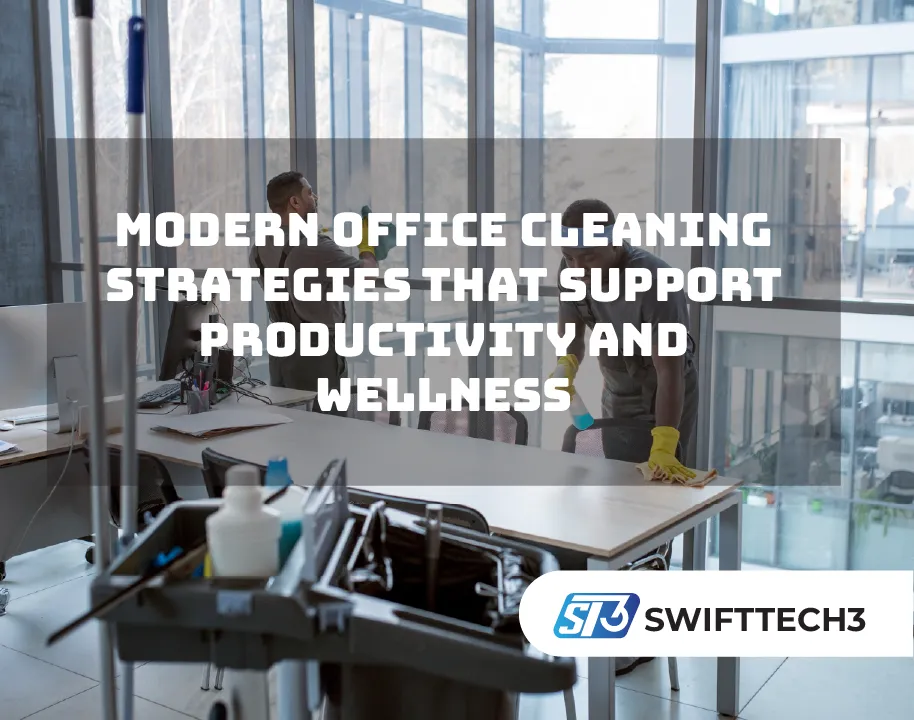
In today’s fast-paced and tech-driven work environments, companies are constantly seeking ways to improve efficiency, attract talent, and maintain a healthy company culture. While much of that effort is focused on digital transformation, employee training, and benefits, one often-overlooked factor plays a surprisingly powerful role in all of the above: the cleanliness of the workspace. Clean offices are not only more visually appealing, but they also have a measurable impact on employee wellness, concentration, and overall job satisfaction.
Workplace cleanliness has evolved far beyond traditional janitorial tasks. In modern offices, especially those with open floor plans, shared spaces, and hybrid schedules, cleaning strategies must adapt to how people actually work. Today’s businesses are moving toward customized office cleaning services that go beyond vacuuming and trash removal to create healthier, more productive environments for employees.
One of the biggest shifts in cleaning strategy involves focusing on high-touch surfaces and high-traffic zones. Door handles, elevator buttons, conference room tables, shared keyboards, and break room appliances are all hotspots for bacteria and viruses. Inadequate cleaning of these areas can lead to the spread of illness, resulting in more sick days and less productivity. This is particularly important in industries where teams must work closely together or where client-facing spaces are part of the daily routine.
Office cleanliness also has a direct influence on mental focus. Studies have shown that cluttered or dirty environments can cause increased cognitive load, making it harder for individuals to focus on complex tasks. Clean desks, organized spaces, and sanitized common areas support mental clarity and reduce workplace stress. Employees are more likely to stay engaged, meet deadlines, and collaborate effectively when their environment feels well-managed and professional.
Companies that prioritize cleanliness are also demonstrating care for their people. A tidy, sanitized office shows employees that their well-being matters. In a competitive hiring market, these details contribute to the overall work experience. Job candidates and new hires form instant impressions based on what they see and smell when they walk through the door. A fresh, well-kept space signals professionalism, organization, and respect—qualities that extend beyond aesthetics into workplace culture.
For facility managers, implementing effective cleaning strategies means more than scheduling a nightly sweep. It involves working with professional office janitorial providers who understand the unique demands of office environments. These services often include daily cleaning of workstations, flexible scheduling for hybrid workplaces, restroom sanitation, carpet and upholstery care, and even specialized services like air purification and electrostatic disinfection.
Technology is playing an increasing role in how offices are maintained. Many cleaning companies now use digital tools to log services, track task completion, and provide real-time updates to facility managers. This level of accountability ensures nothing gets missed and allows businesses to request targeted services quickly when needed. Some also use data to predict cleaning needs based on occupancy trends and usage, allowing for smarter deployment of resources.
Another important trend in modern office cleaning is sustainability. Companies looking to meet environmental goals are seeking providers who use green-certified products, reusable supplies, and energy-efficient equipment. These eco-conscious practices align with broader corporate social responsibility efforts and can even improve indoor air quality, which directly affects employee wellness and cognitive performance.
The benefits of a well-maintained office extend beyond employee health and productivity. A clean environment reduces wear and tear on furniture and flooring, helps prevent pest problems. And extends the lifespan of building systems. Over time, this reduces operating costs and avoids unexpected disruptions due to maintenance issues. In essence, office cleaning is not just a support function—it is an operational strategy that protects both people and property.
Post-pandemic, expectations for cleanliness have remained high. Employees returning to the office want to feel safe. Clients visiting for meetings are more aware of hygiene than ever before. Businesses that fail to meet these expectations risk not only complaints but also diminished trust and engagement. On the other hand, companies that consistently deliver a clean and organized workspace reinforce their professionalism and commitment to excellence.
When selecting a cleaning partner. It is important to look for providers who understand your industry, building layout, and daily rhythms. The best teams will adapt their services to your workflow, offering flexible hours, discreet operations, and responsive communication. They become part of the office ecosystem, helping ensure the workday begins and ends on a high note.
Clean Offices, Clear Results
A modern workplace cannot thrive in a neglected environment. Cleanliness influences everything from health to morale to business performance. With thoughtful strategies and professional partnerships in place, office cleanliness becomes a competitive advantage—not just a checklist item. It keeps your team healthier, your space more functional, and your company reputation stronger. In the end, a clean office is not just a nice-to-have. It is a strategic necessity.