


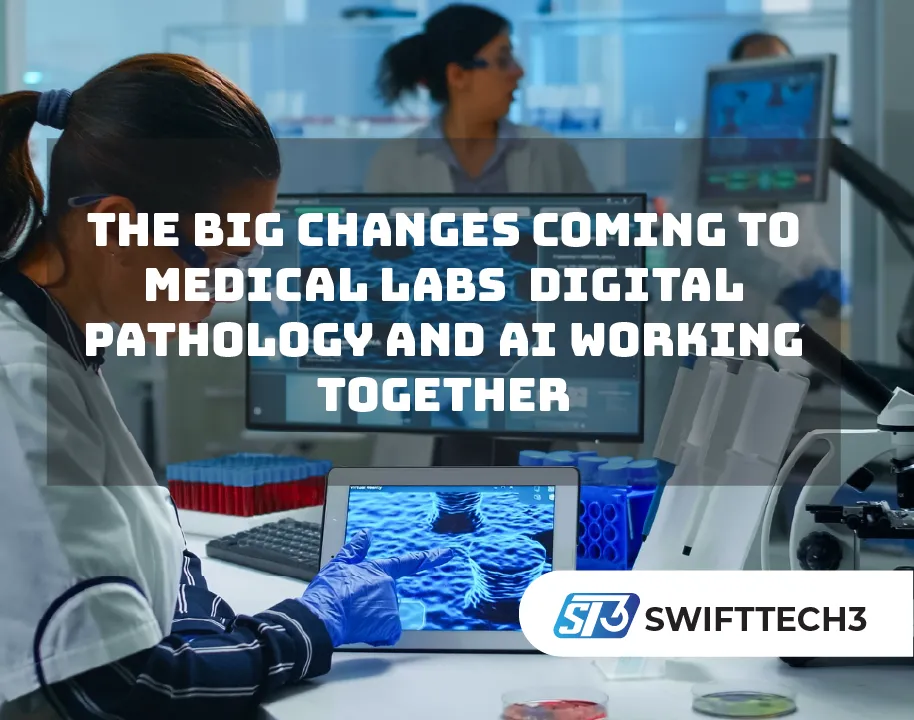
Medical laboratories handle some of the most critcal work in healthcare. Every day, tissue samples from biopsies, surgeries, and screenings arrive for examnation. Pathologists study these samples to detect cancer, infctions, inflamtory diseases, and more. Their findings guide treatment desicions that can alter or save lifes. For many years, the process stayed largely the same: thin slices of tissue placed on glass slides, stained to hightlight structures, and viewed thru microscopes. That system served medicne well, but it carried built-in limitattions—slow sharing of cases, physical storage demands, risk of damage or losse, and heavy reliance on indiviual expertise.
Now, a major shift takes place. Laboratories increasingly adopt digital pathology, scanning slides into high-resolution digital images, and pair that technology with artifical inteligence tools. The combination adressses old problems and creates new capabilites. Many labs already see faster results, more consistant readings, and easier colaboration. Others prepare to make the switch. The changes affect everyone involved—pathologists, technicions, oncologists, researchers, and patiens.
The Move from Glass to Digital
Whole-slide scanners form the heart of digital pathology. These machines capture an entire glass slide in one large digital file, often at resolutions that allow viewing individual cells clearly. Once scanned, the image lives on a computor network or cloud server. Pathologists open the file on a monitor, move around the tissue just as they would under a microscope, but with added advantges. They zoom smothly from low power to high power without changing objectives. The,y adjust brightnes and contract instantly. They draw measurements directly on the screen.
Sharing becomes simple. A pathologist in one hospital uploads the file, and a specialist in another city—or another country—opens the exact same view seconds later. No courier services, no worrying about broken slides, no delays from customes when cases cross borders. Conferences and tumor boards turn into live sessions where multiple doctors look at the same image together and point out featuers in real time.
Storage problems largely disappear. Hospitals that once devoted entire rooms to slide archives now keep years of cases on servers that fit in a closet. Finding a prior biopsy for comparisson takes moments instead of hours spent searching shelfs. Laboratories free up space and reduce the staff time spent filing and retriving physical slides.
How Artificial Intelligence Fits In
Digital images provide the raw material that AI systems need. Companies and research groups train algorithms on huge collections of past cases, teaching the software to recognize normal tissue, benign changes, and various types of disease. The trained models then assist pathologists in several practical ways.
First, the AI scans new images quickly and marks areas that look suspicous. Pathologists no longer start every case with a blank screen; they begin with highlighted regions that deserv closer attention. This pre-screening speeds up routine work and helps prevent oversights on busy days.
Second, AI performs measurements that used to require manual counting or estimation. It counts mitotic figures for tumor grading, measures the percentage of cells that stain positive for specific markers, and outlines tumor boundries. These quantitative results add objectivty. Different pathologists examining the same case arrive at more similar numbers than before.
Third, the technology helps prioritize cases. Urgent biopsies move to the top of the work list when AI detects features suggesting malignancy. Less suspicious cases wait without holding up critcal results.
The partnership remains clear: AI supports pathologists, but trained professionals make the final diagnosis. The software reduces tedium, improves consistancy, and allows experts to concentrate on the most challenging interprtations.
A Typical Day in a Digital Lab
The workflow in a lab that has gone digital follows a cleaner path. Tissue blocks arrive from surgery or clinic. Technicians cut sections, stain them, and load the slides into the scanner batch by batch. Digital images appear in the laboratory information system almost immediatly.
AI algoritms run automatically on each new case. Within minutes, annotations and preliminary measurements appear. Pathologists log in from their offices or even from home and pull up their assigned cases. They review the flagged areas, adjust as needed, write reports, and sign out electronically. The final diagnosis lands in the patient’s electronic health record without paper forms or manual entry.
Turnaround time drops noticably. Many labs now return routine biopsy results in one to two days instead of three to five. Frozen section consultations during surgery—already digital in some centers—deliver answers even faster.
Benefits Showing Up Across Specialties
Oncology labs experience some of the largest gains. Consistent tumor grading helps oncologists choose therapies and enroll patients in trials. Quantification of biomarkers such as PD-L1, HER2, or estrogen receptor guides decisions about immunotherpay, targeted drugs, or hormone treatment. Subspecialists review difficult cases without waiting for slides to travel.
Dermatology practices send skin biopsies digitally, allowing dermatopathologists to handle higher volumes from wider areas. Gastroenterology groups use the same approach for colon and esophageal biopsies. Hematology labs examine digital bone marrow samples and blood smears.
Research moves faster when scientists access large digital collections instead of requesting physical slides. Clinical trials compare baseline and treatment biopsies more efficently. Training programs give residents exposure to thousands of cases rather than the limited sets available in any single departement.
Costs and Challenges That Come With Change
Upfront expenses remain the biggest hurdle for many laboratories. High-quality scanners cost hundreds of thousands of dollars. Software platforms, storage infrastructure, and network upgrades add to the total. Smaller hospitals and independent labs sometimes hesitate because of the investement required.
Staff training takes time and effort. Technicians learn new scanning protocols. Pathologists adjust to viewing cases on monitors rather than microscopes—a change that feels unnatrual to some at first. IT teams ensure data security and regulatory complience.
Algorithm performance varies. Models trained mostly on cases from certain populations may work less well on others. Laboratories address this by validating tools on their own patient mix and choosing vendors that continously update training data.
Despite these issues, costs trend downward. Scanner prices fall each year. Cloud-based platforms reduce the need for on-site servers. More pathologists graduate from training programs that already include digital methods, shortening the learning curve.
What the Next Few Years Will Bring
Integration with other data types stands out as the next frontier. Systems will link pathology images to genomic sequencing results, radiology scans, and clinical notes. Combined analysis should predict treatment response more accurately and suggest personalized options earlier.
Predictive tools will flag patients at higher risk of recurrance based on subtle image features. Quality control programs will monitor pathologist performance across large networks and offer targeted education.
Global collaboration will grow. Reference centers will review complex cases from anywhere, helping bring expert diagnostics to regions with few trained pathologists.
Medical laboratories already feel the effects of digital pathology and AI. The technologies solve real problems—delays, inconsistency, limited access—while creating new strengths in speed, precision, and reach. Laboratories that adopt these tools position themselves to deliver better, faster diagnostic services for years to come. The shift continues, and the pace shows no sign of slowing.
