Business is no longer as it was a few years ago. Evolving technology has become harder for companies to keep up with, and the pace of change is moving faster than many expected. What looked revolutionary just last quarter already feels outdated today.
This wave of change hits everything, from corner coffee shops to multinational corporations. Yesterday’s luxuries turn into today’s necessities almost overnight. Understanding what drives these shifts is now essential for staying competitive.
The digital transformation wave is powered by several strong forces. Each one reshapes how businesses operate and compete in modern markets. Knowing these drivers helps companies stay ahead rather than react late.
Below are the three powerful forces fueling digital transformation.
1. The Intelligent Automation Revolution
Tasks that once seemed far too complex to automate are now handled by machines. Smart systems manage decisions that previously required human judgment. They recognize patterns, learn from errors, and improve over time without constant manual adjustment.
AI in Banking
Banking shows this shift clearly. IVR in banking transformed how customers manage their finances outside standard hours. Instead of navigating frustrating number menus, users interact naturally with intelligent systems that understand intent.
Modernizing Healthcare
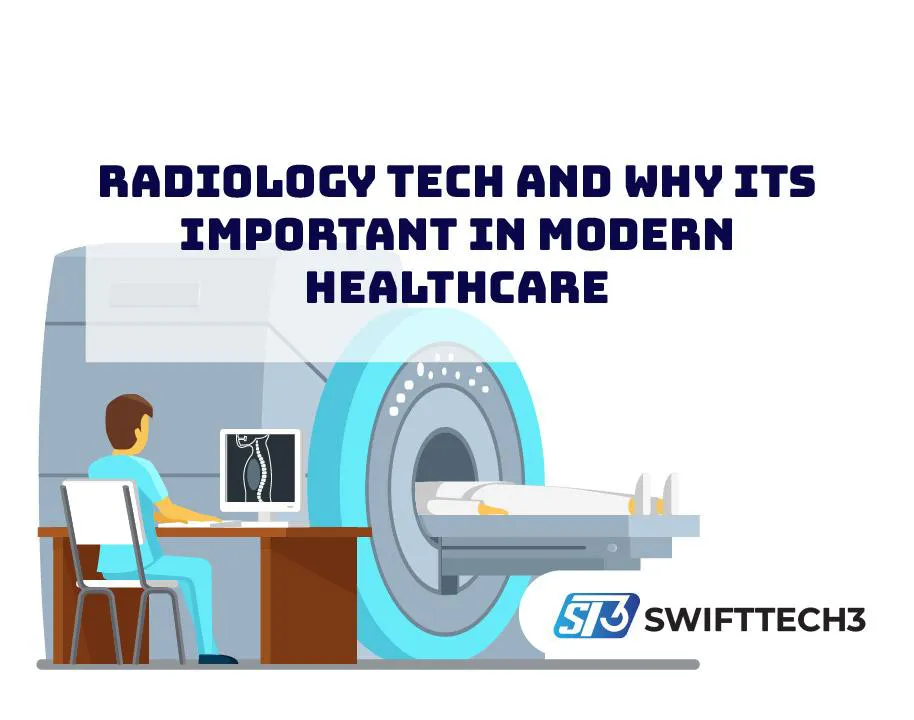
Hospitals have adopted similar tools for reviewing medical images. These systems flag areas of concern much faster than traditional methods. At the same time, appointment booking and paperwork are automated, allowing staff to focus more on patient care instead of administration.
2. Connected Workforce Breaking Geographic Boundaries
For millions of workers, the idea of being tied to a physical office now feels outdated. Remote teams collaborate across cities and time zones as if they were in the same room. Distance stopped being a limitation once the right technology connected people properly.
Everything now lives in the cloud, from documents to full software systems. Someone in one country can edit a file while a colleague on another continent updates it in real time. Video meetings replaced hallway conversations, yet still manage to build real working relationships.
Remote Customer Support Operations
Customer support changed completely with distributed work models. Call center software enables agents to handle calls from home using the same tools they once had at office desks. Supervisors monitor performance and coach teams digitally instead of walking the floor.
3. Customer Expectations Driving Innovation Forward
Customers expect businesses to understand them without repeated explanations. Generic, one-size-fits-all experiences frustrate users who already know what personalization looks like. Companies that ignore this often lose customers to faster-moving competitors.
Every click, search, and purchase tells a story. Smart businesses analyze these signals to anticipate needs before customers voice them. Product teams focus on solving real problems rather than building features nobody asked for.
Sales teams start conversations with full customer context. Marketing reaches specific audiences with messages that actually matter. Websites adjust content based on who is visiting and what they care about most.
The Transformation Shift (Quick Comparison)
| Business Capability | Legacy Approach (Pre-Transformation) | Digital-First Approach (2026) |
|---|---|---|
| Customer Support | Static IVR menus & office desks | AI-powered chat & remote call centers |
| Data Usage | Reactive monthly reports | Predictive, real-time AI insights |
| Team Collaboration | Physical offices & local servers | Cloud-native connected workforce |
| Security | Passwords & perimeter defenses | Zero-Trust & AI threat detection |
| Scaling | Expensive physical hardware | Elastic cloud, pay-as-you-go |
Data Security Becoming a Top Priority
Hackers constantly evolve new ways to infiltrate systems they shouldn’t access. When customer data is exposed, companies face massive financial and reputational damage. One major breach can undo years of trust almost instantly.
Encryption scrambles information so stolen data becomes useless. AI-powered security systems detect unusual behavior before serious damage occurs. Logging in now requires more than just passwords that are easy to guess or steal.
New regulations require businesses to prove they handle personal data responsibly. Regular system testing identifies weaknesses before attackers do. Transparency around data use builds trust with customers who increasingly care about privacy.
Cloud Computing Enabling Scalability and Flexibility
In the past, buying physical servers required large upfront investments. Cloud computing replaced this with flexible pricing based on actual usage. Businesses scale resources up during busy periods and reduce them when demand slows.
Systems keep running even when parts fail because backups are distributed across locations. Files are copied automatically to prevent data loss from crashes or disasters. Updates happen quietly in the background without interrupting daily work.
Small startups now access the same tools once reserved for large enterprises. The playing field has leveled, making execution and ideas more important than massive budgets.
Mobile First Strategies Reshaping User Engagement
Smartphones have become the primary computer for billions of people. Companies now design for mobile screens first and adapt later for desktops. Users expect full functionality regardless of screen size.
Mobile apps create direct service connections that websites cannot match. Notifications keep users informed at the right moment. Location awareness enables personalized experiences based on where users actually are.
Sales teams close deals using mobile tools whether traveling or working remotely. AI chatbots inside apps answer questions instantly, anytime. Purchases happen in just a few taps, reducing friction and abandoned sales.
Integration Between Systems Creating Seamless Workflows
Software once operated in silos, forcing people to manually transfer data between tools. Modern platforms integrate automatically, sharing information in real time. Work flows smoothly from one stage to the next without manual effort.
Billing, inventory, shipping, and customer databases stay synchronized. Updates made in one system reflect everywhere else instantly. Errors decrease sharply when data is entered only once.
Key benefits of integration include:
- Less time spent on administrative tasks
- Call center software showing complete customer history
- Unified systems delivering greater value together
Continuous Learning Cultures Supporting Adaptation
Technology evolves so fast that traditional training quickly becomes outdated. Smart organizations treat learning as part of daily work, not a separate activity. Employees build skills continuously instead of waiting for scheduled sessions.
Short videos, online lessons, and simulations deliver knowledge exactly when needed. Teams share expertise naturally rather than relying on formal programs.
Companies that invest in people alongside technology see stronger results. Remote teams access training as easily as office workers. A growth mindset becomes real when supported by actual resources.
Customer Feedback Loops Accelerating Innovation Cycles
Companies once relied on surveys and focus groups to guess what customers wanted. Today, feedback flows constantly through reviews, social media, and direct messages. Real conversations now happen daily.
This real-time input shortens the gap between identifying issues and solving them. Teams adjust quickly based on real experiences rather than assumptions. Features launch in weeks instead of months.
Sales teams hear objections that shape both products and messaging. Call center software highlights repeated issues that point directly to improvement areas. The loop between customer voice and action grows stronger each year.
Conclusion
Technology continues to reshape how work gets done across every industry. IVR in banking, call center software, and remote collaboration tools don’t exist in isolation. Together, they form connected systems where each part strengthens the others.
The most successful businesses treat change as an opportunity, not a threat. They combine technical capability with human creativity and judgment. The best innovation enhances what people already do well.
Change will only accelerate as new tools emerge. Companies that build adaptable platforms today prepare themselves for whatever comes next. Staying curious, flexible, and human-focused remains the strongest strategy.
Ready to Take the Next Step?
Not sure where to begin your digital transformation? Start with a focused technology audit and identify the biggest opportunities for impact before competitors do.
FAQ’s
What are the biggest challenges of digital transformation?
Most challenges are cultural rather than technical. Change fatigue and continuous learning are common hurdles. Successful companies prioritize people first, then technology.
How does call center software support remote work?
Modern call center software gives agents full access to tools and customer data from home, ensuring a consistent experience regardless of location.
Why is data security a driver of innovation?
As threats grow more sophisticated, businesses innovate in AI detection and encryption. Protecting customer trust is now a major competitive advantage.
Visit our website: Swifttech3