


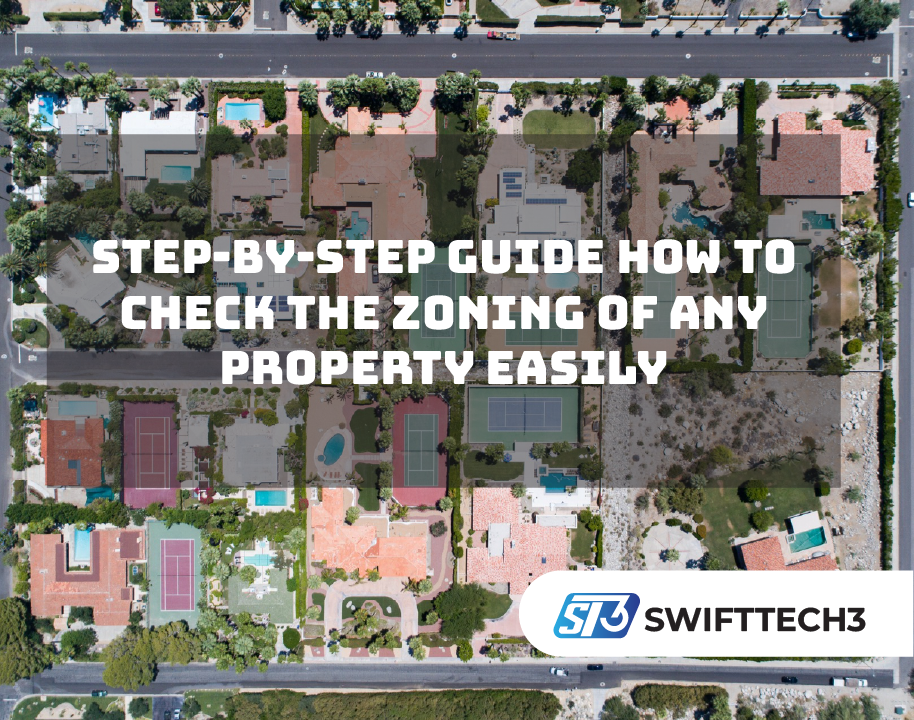
Zoning refers to the method by which local authorities assign specific land areas for particular purposes. These purposes often relate to housing, business activity, agricultural work, or manufacturing. The system helps guide development patterns, manage growth, and support community needs in a balanced way. By directing where and how buildings can be constructed, zoning influences neighborhood character, environmental protection, and safe community planning.
Why Checking Zoning Matters Before Buying or Building
Anyone interested in acquiring property or planning construction benefits from understanding zoning in advance. This knowledge shapes what can be built, how the structure may look, and what activities can take place on the land. A property’s zoning designation influences market value, possible renovations, and long-term planning. Research upfront helps avoid disputes, penalties, or setbacks that could arise if a project conflicts with local rules.
A clear understanding of zoning supports sound financial decisions and helps prevent unwanted restrictions after commitments are made.
How to check zoning of a property is an essential step before making any purchase or development decision, ensuring compliance with local regulations and avoiding potential issues.
Types of Zoning and What They Mean
Residential Zoning
Residential zoning governs land used for living spaces. It determines whether single-family houses, multi-unit buildings, or other housing layouts may be developed. The aim is to support safe living conditions and community cohesion, guiding how neighborhoods expand over time.
Commercial Zoning
Commercial zoning applies to areas designated for business activity. It defines where shops, offices, restaurants, and similar establishments may operate. These rules influence traffic flow, public access, and the relationship between business areas and housing areas nearby.
Agricultural Zoning
Agricultural zoning is designed to safeguard land used for farming and the production of food or related agricultural activities. These zones help maintain food supply, rural character, and farming operations by preventing extensive non-agricultural development in those areas.
Industrial Zoning
Industrial zoning sets aside land for factories, warehouses, and large-scale production operations. It helps reduce disruption to residential communities by grouping heavy activities in areas with appropriate access to transport and utility infrastructure.
Step-by-Step: How to Check the Zoning of a Property
Step 1: Confirm the Exact Address
Begin by confirming the property’s address. Accuracy here forms the basis for locating the property in official records or online maps.
Step 2: Contact the Local Authority
Reach out to the local city hall or zoning office. Staff can explain official records, offer documentation, and point to municipal codes associated with the property.
Step 3: Use Online Zoning Maps
Many regions offer interactive zoning maps on municipal websites. These maps allow users to type in an address and view the zoning category assigned to that land. This can serve as a convenient first reference point.
Step 4: Read the Zoning Code for the Property
After locating the zoning label (for example, R1, C2, A, or Industrial categories), review the written code. The code outlines permitted uses, building height limits, setback distances from boundaries, parking rules, and other restrictions. Understanding this written guidance clarifies what projects are allowed or restricted.
Using Online Tools
Modern property research tools make zoning checks more accessible. Many municipal websites provide direct zoning lookups. Some national or regional property databases also include zoning layers or planning-related documents. Exploring these tools steadily helps develop familiarity with local terminology.
When reviewing online zoning information, take time to read explanatory notes or help sections on the platform. Cross-checking the map with the written municipal code can prevent misunderstandings, especially with properties located near zoning boundaries or mixed-use areas.
When the Zoning Does Not Match Intended Use
A property owner may want to use their land in a way that differs from the current zoning. In such situations, there are three common routes:
Requesting a Zoning Variance
A variance asks local officials for permission to use the land in a manner that differs slightly from existing zoning rules. The authority will review the request and may hold a public meeting to gather community input.
Applying for Rezoning
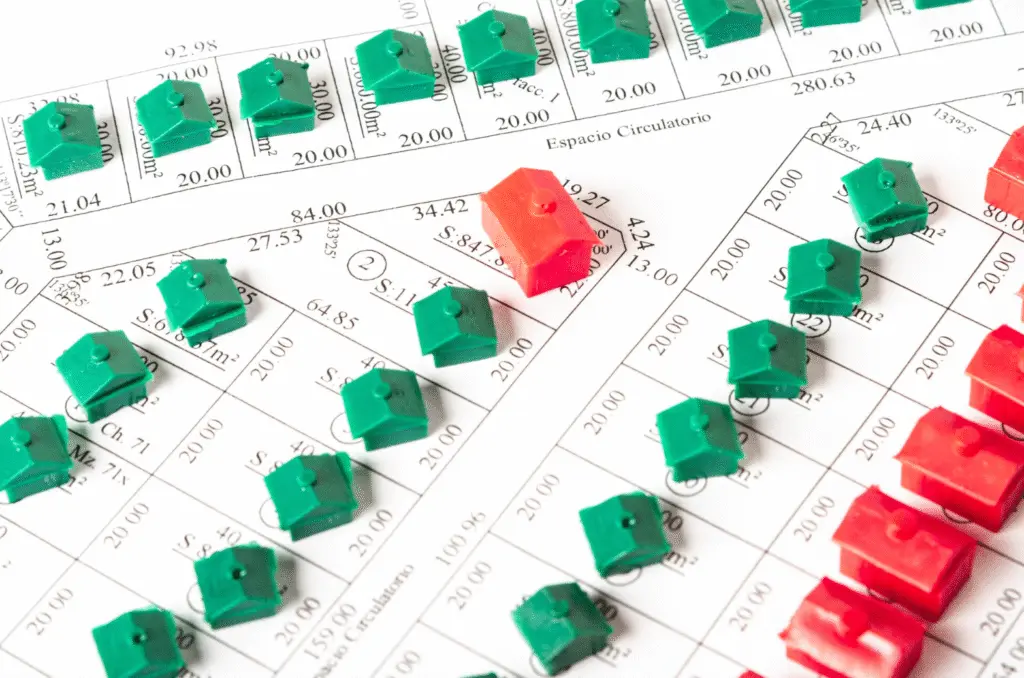
Rezoning seeks to change the property’s zoning category entirely. This is a more extensive process, often involving formal applications, community notification, and review by planning boards.
Consulting a Legal Professional
When the steps or implications feel unclear, speaking with a lawyer who works with property and planning rules can clarify available options and the likelihood of approval.
Conclusion
Checking zoning is a key step for property buyers, builders, landlords, and investors. By identifying the zoning type, reviewing local codes, speaking with municipal offices, and using online tools, one gains a clearer picture of what is possible on a given site. This reduces risk, supports realistic planning, and creates stronger confidence in long-term property decisions.
If the zoning does not match intended goals, established processes such as variance requests or rezoning applications provide structured pathways to pursue adjustments. Through steady research and informed action, individuals can approach property decisions with clarity and assurance.
